Les Hemmes de Marck
Marck
 3 min read
A free-form walk through dunes and across a vast beach, with the Phare de Walde on the horizon and seals resting on distant sandbanks.
The walk
Les Hemmes de Marck has no fixed walking route. You head through the dunes to the beach and decide for yourself how far to go. My own walk came to around 15 kilometres, with the Phare de Walde, huge stretches of sand and distant seals providing the main landmarks.
Through the dunes to the beach
My walk started near the sand-yachting club at Les Hemmes de Marck. The club car park is reserved for members, but I found a space without difficulty in the nearby streets.
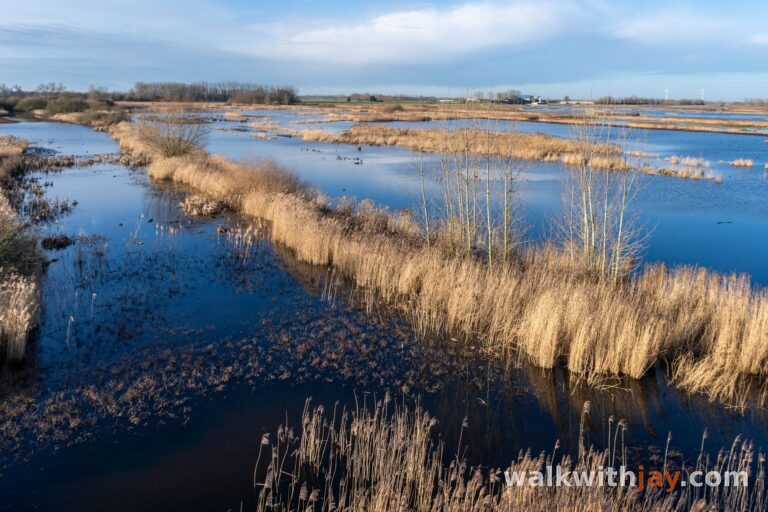
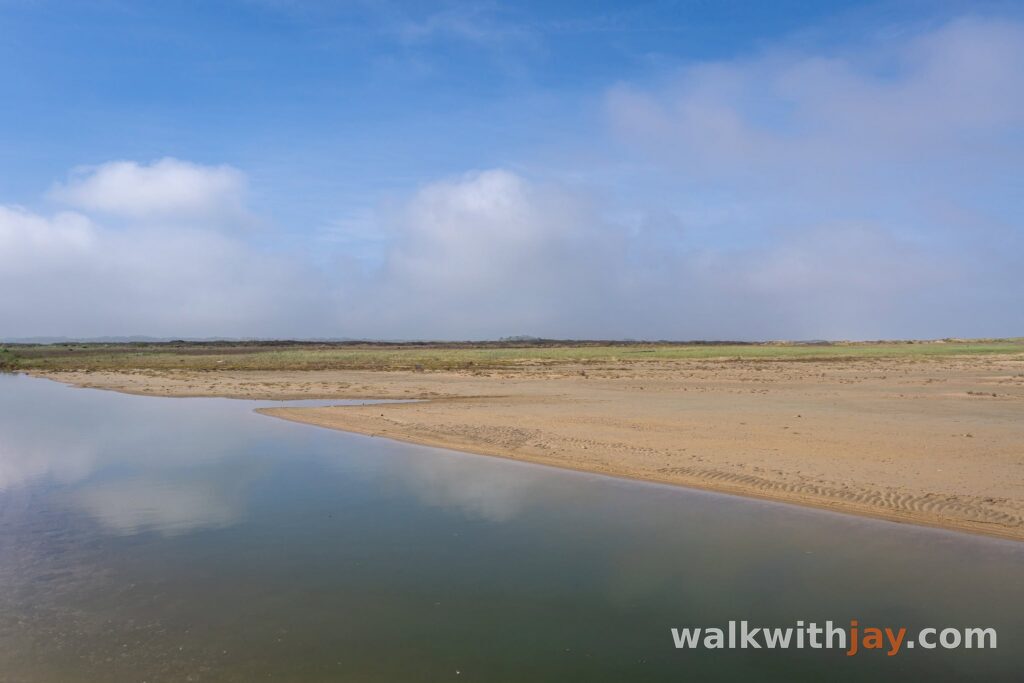
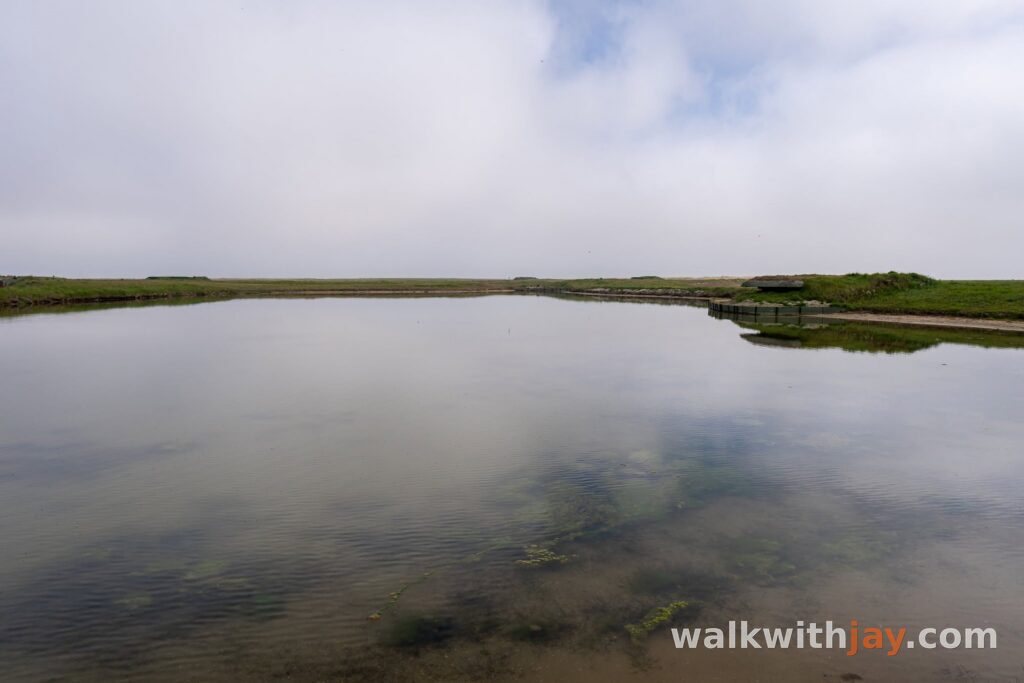
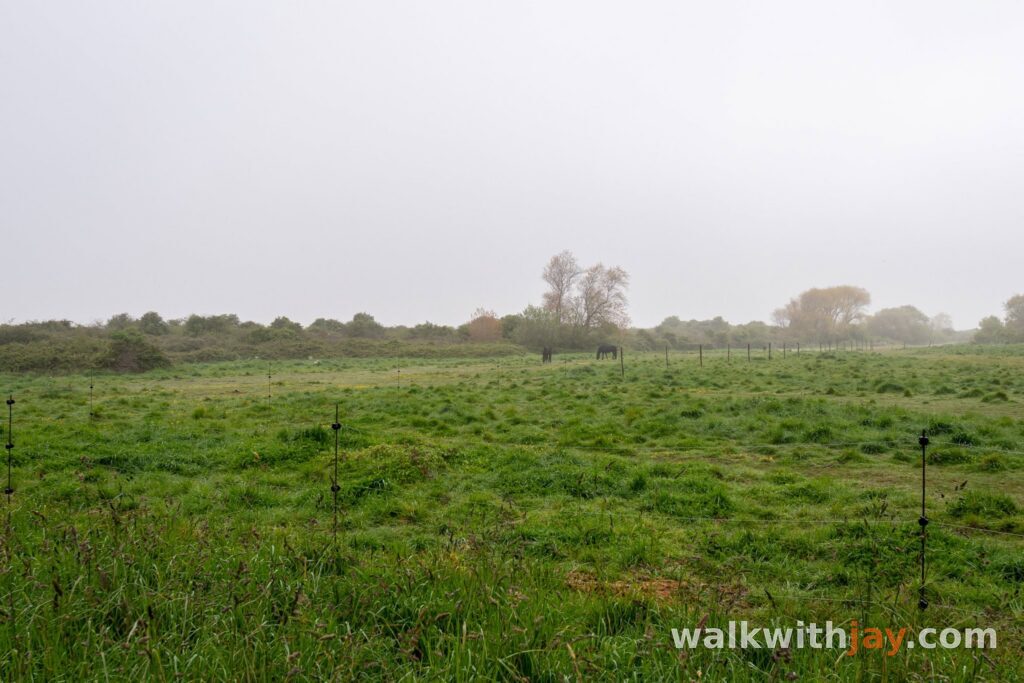
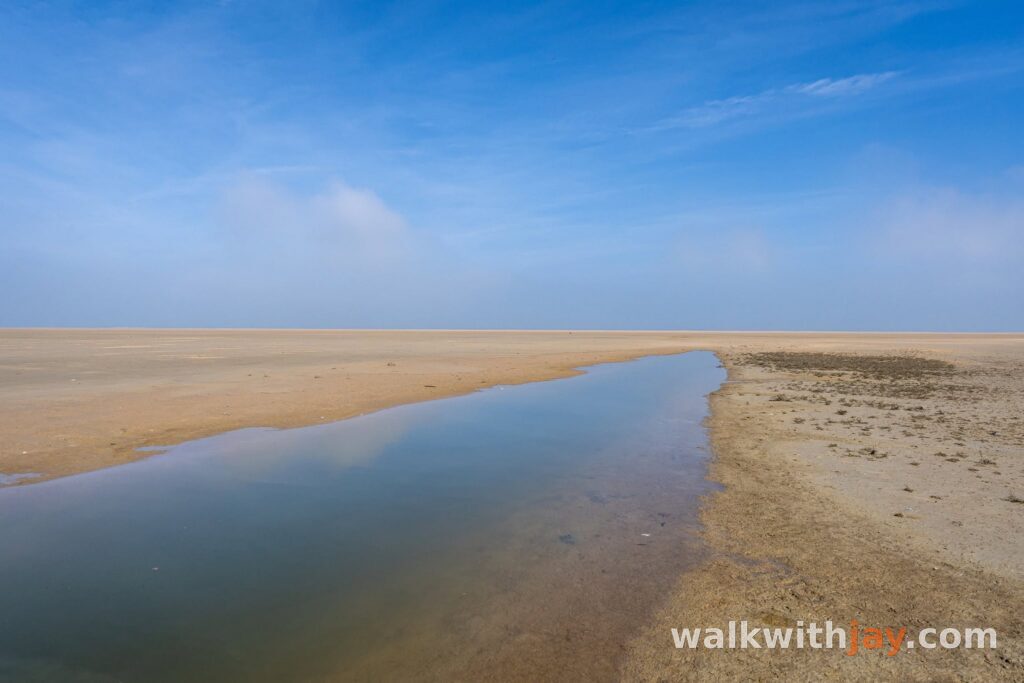
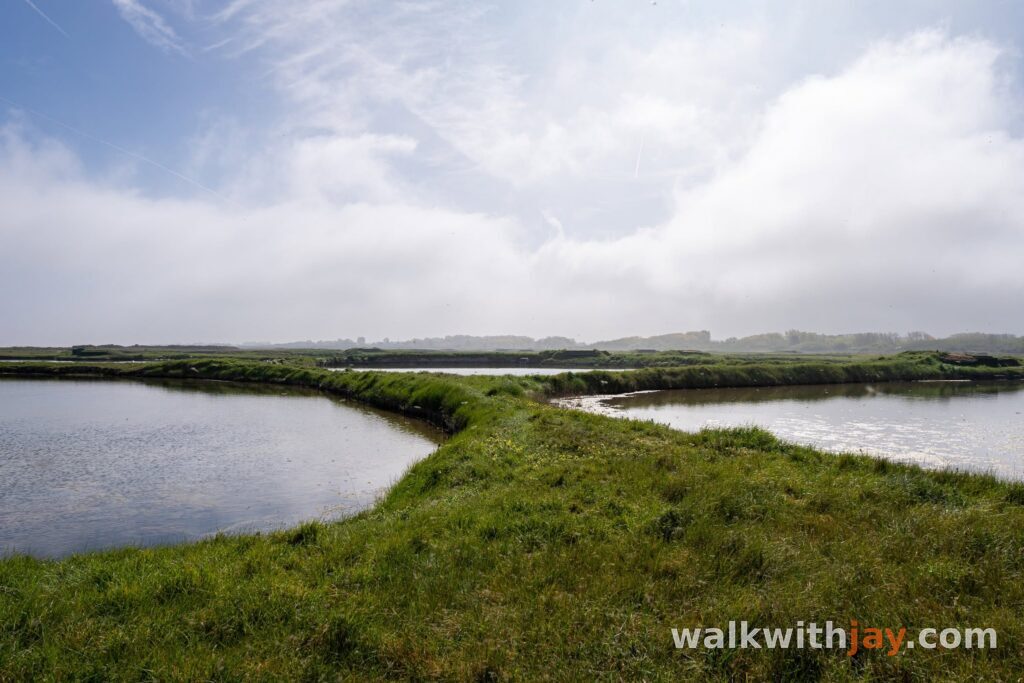
From there, I headed towards the beach before turning into the dunes. Along the way, you pass several small pools and a few hunting huts. The landscape then opens completely onto a beach that becomes exceptionally wide at low tide.
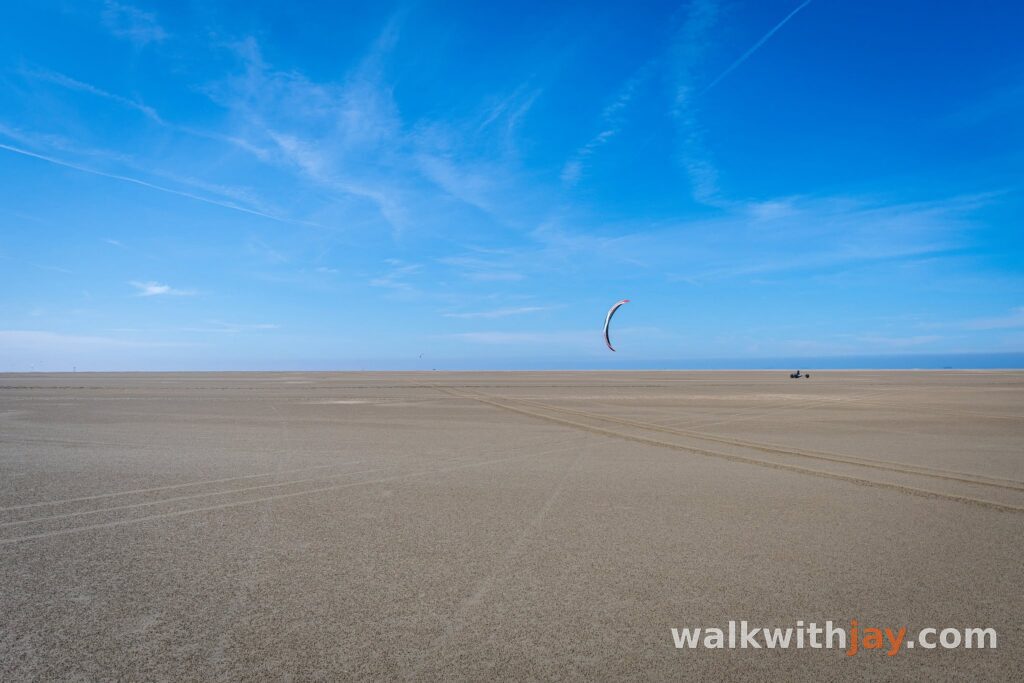
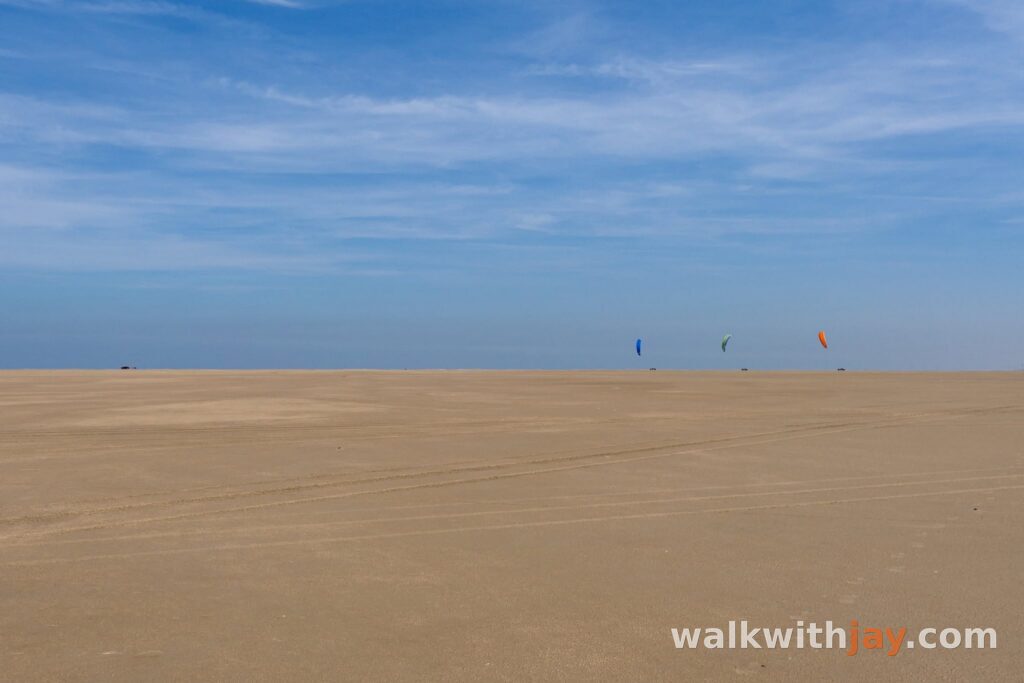
There is no fixed route to follow. You can stay near the waterline, include sections through the dunes and decide for yourself when to turn back. In the distance, sand yachts regularly cross the firmer sand.
The Phare de Walde on the horizon
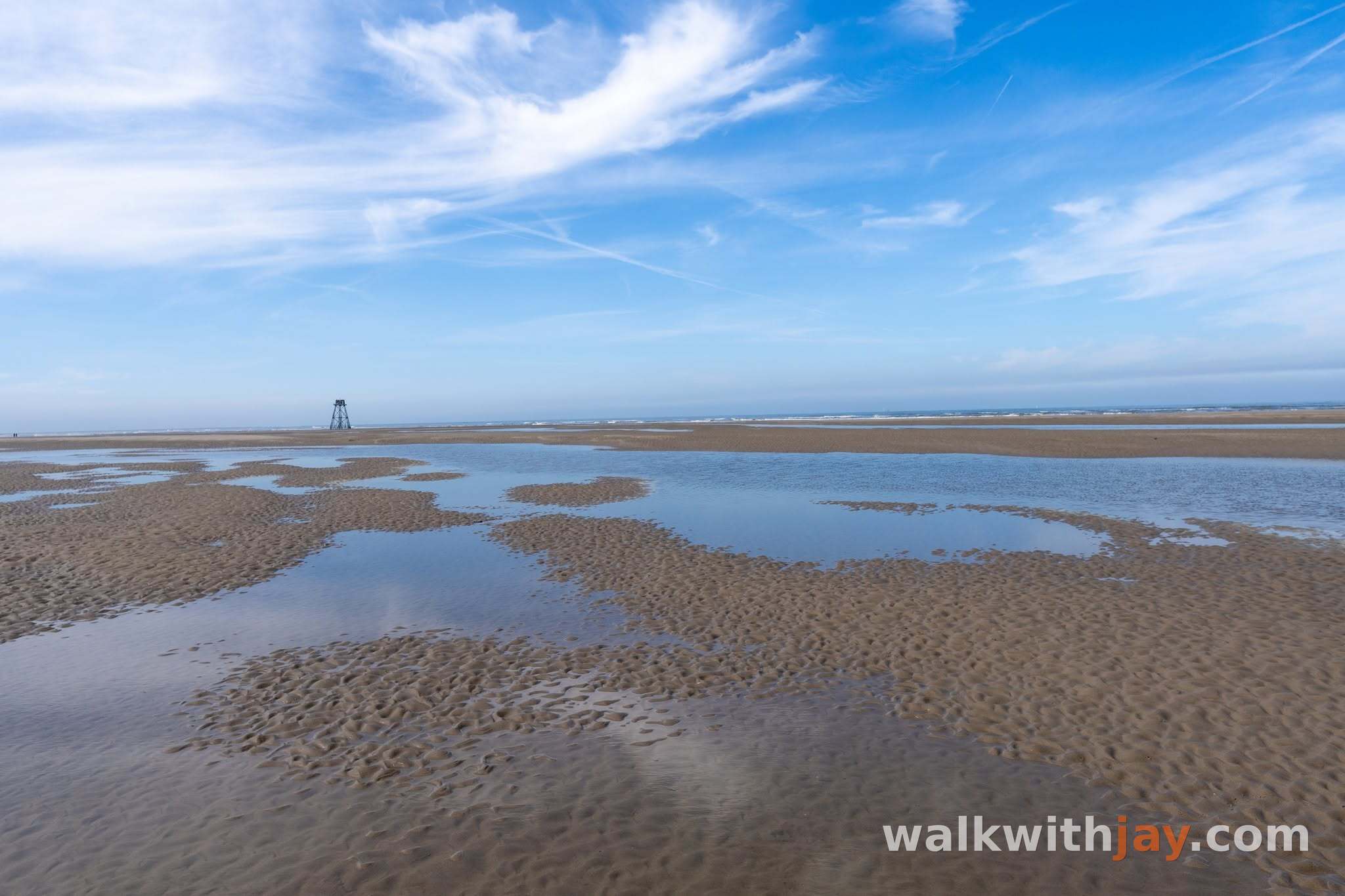
Looking west, the metal Phare de Walde appears on the horizon. The lighthouse was built in the 1850s on screw piles, using a metal structure manufactured in England. It first shone on 15 December 1859.
The lighthouse stands far out on the tidal flats exposed at low tide. This can make it look closer than it really is. As the tide returns, conditions change quickly and water can once again surround the structure.
Anyone walking in that direction should therefore check the tide times beforehand and leave enough time for the return. The lighthouse remains visible for much of the walk and is an easily recognisable landmark in the open landscape.
Seals along the waterline
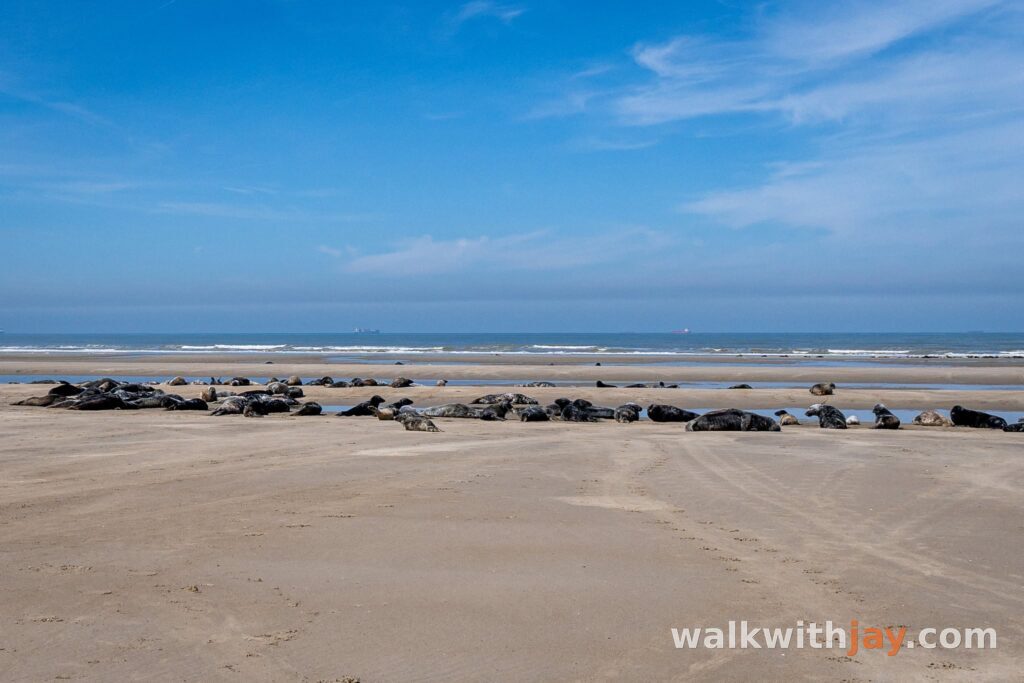
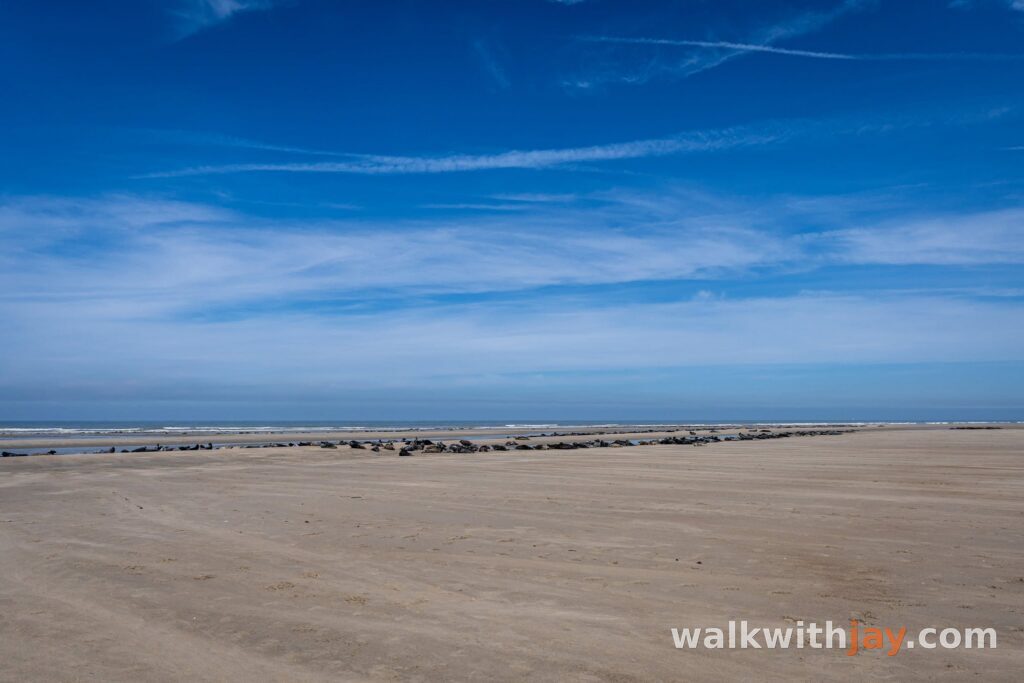
After the lighthouse, I continued along the waterline. In the distance, a large group of seals was resting on the sandbanks. On such a wide beach, they are not always easy to spot when they are far from shore.
Keep at least 300 metres away and let the seals rest undisturbed. Binoculars or a telephoto lens allow you to watch them without walking closer for a photograph.
During my walk, the group remained visible in the distance for quite some time. It is the kind of place where it is worth stopping every now and then and simply looking around.
Between the groynes and back with the tide
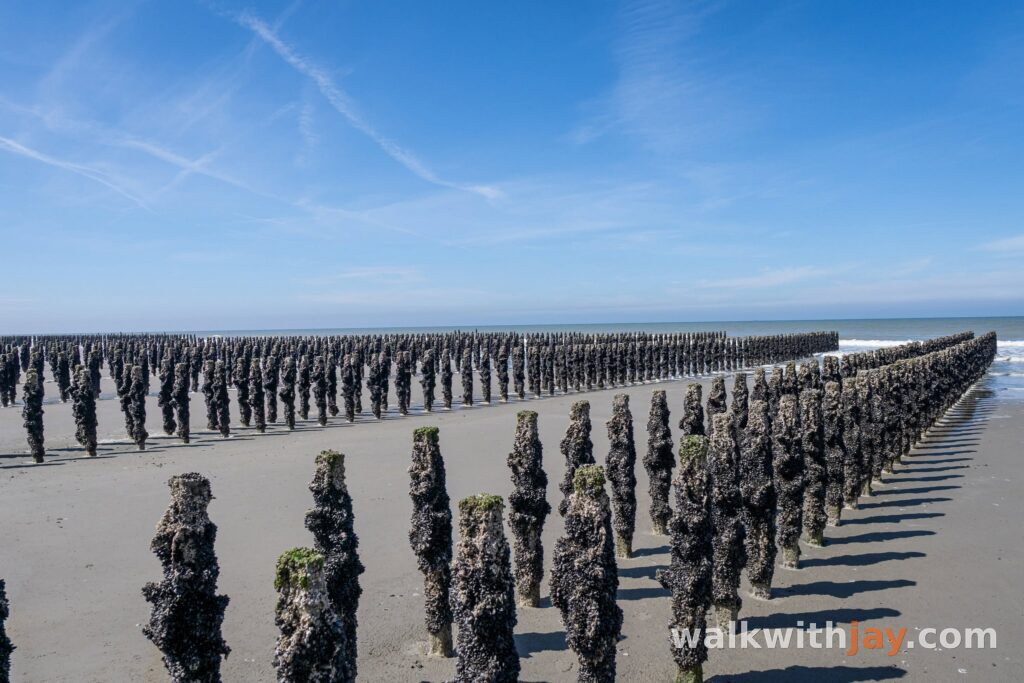
Farther on, I reached the rows of black wooden posts that become fully visible at low tide. These groynes help reduce coastal erosion and retain sand. At high tide, large parts of them disappear beneath the water again.
I walked between them for a while with little more than the sound of the sea around me. When the tide began to rise again, I decided to turn back and return to my starting point.
Photos from this walk



Jay’s tips
Bring binoculars or a telephoto lens. You can watch the seals properly without disturbing their rest.
Good to know
Little shade
Waterproof footwear useful
Nature observation point
Check the tide times before setting out and plan when to turn back, allowing for the distance of the return walk. As the tide rises, sandbanks and channels can become covered by water again. Allow plenty of time and do not judge your return solely by how much exposed sand you can still see. There is little shade, and waterproof footwear can be useful.
My experience
I set out without a fixed route and ended up walking around 15 kilometres. You can also turn back much earlier. The dunes, vast beach and Phare de Walde provide enough landmarks to shape your walk as you go. Seeing the seals was a special part of the walk for me.
Waymarking
Not waymarked
Places of interest
Phare de Walde
Along the route
Historic metal lighthouse first lit on 15 December 1859 and now out of service.
Ready to set off?
Open the starting point in your GPS and enjoy the walk.