Château Dalle-Dumont
Wervicq-Sud
A surprisingly green estate in Wervicq-Sud, where a quiet walk leads past a château, German bunkers and an unusual First World War memorial.
The walk
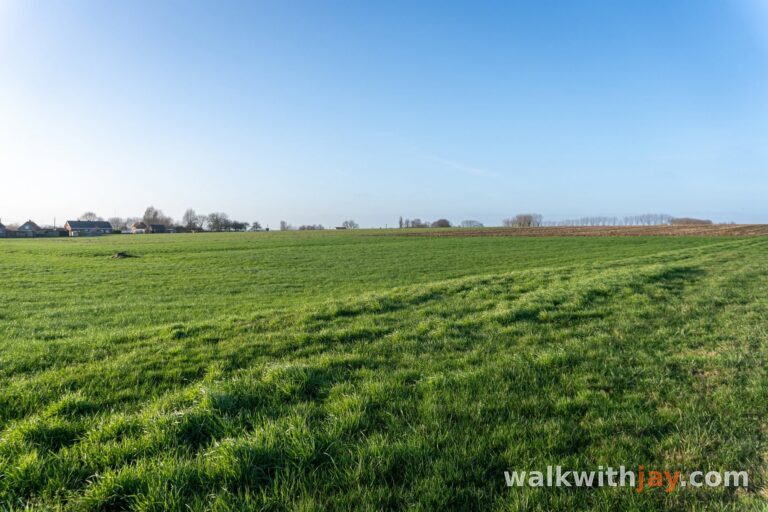
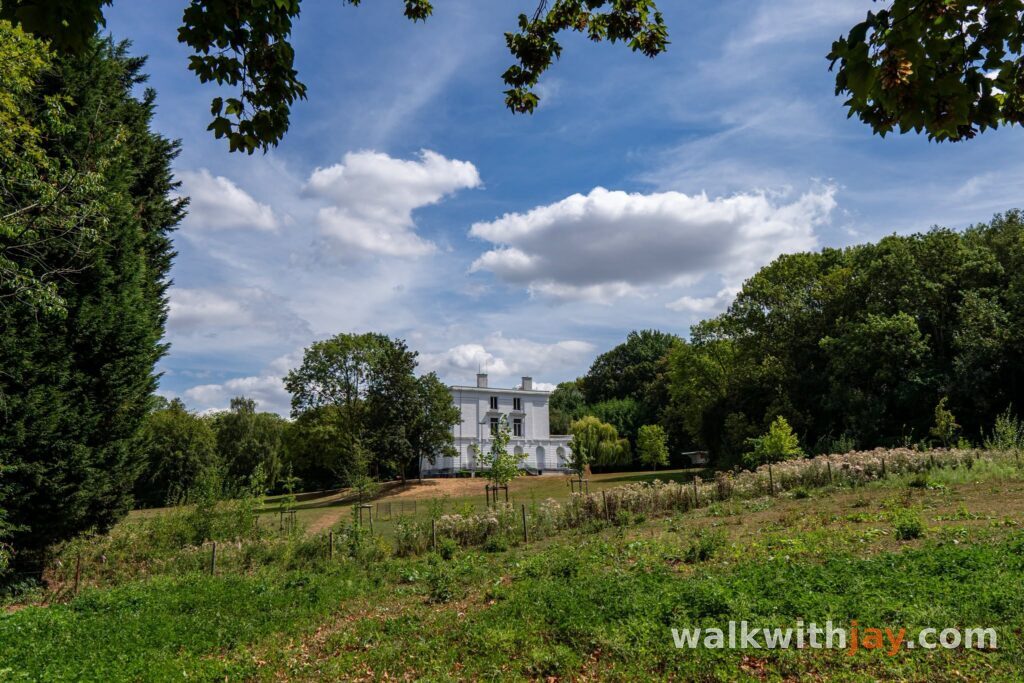
The grounds around Château Dalle-Dumont include meadows, a pond, an old farmhouse and a large wooded area.
My walk was around two kilometres long. There is no fixed route, so you can combine the different park and woodland paths and discover the historic remains along the way.
Route map
From private residence to German field hospital
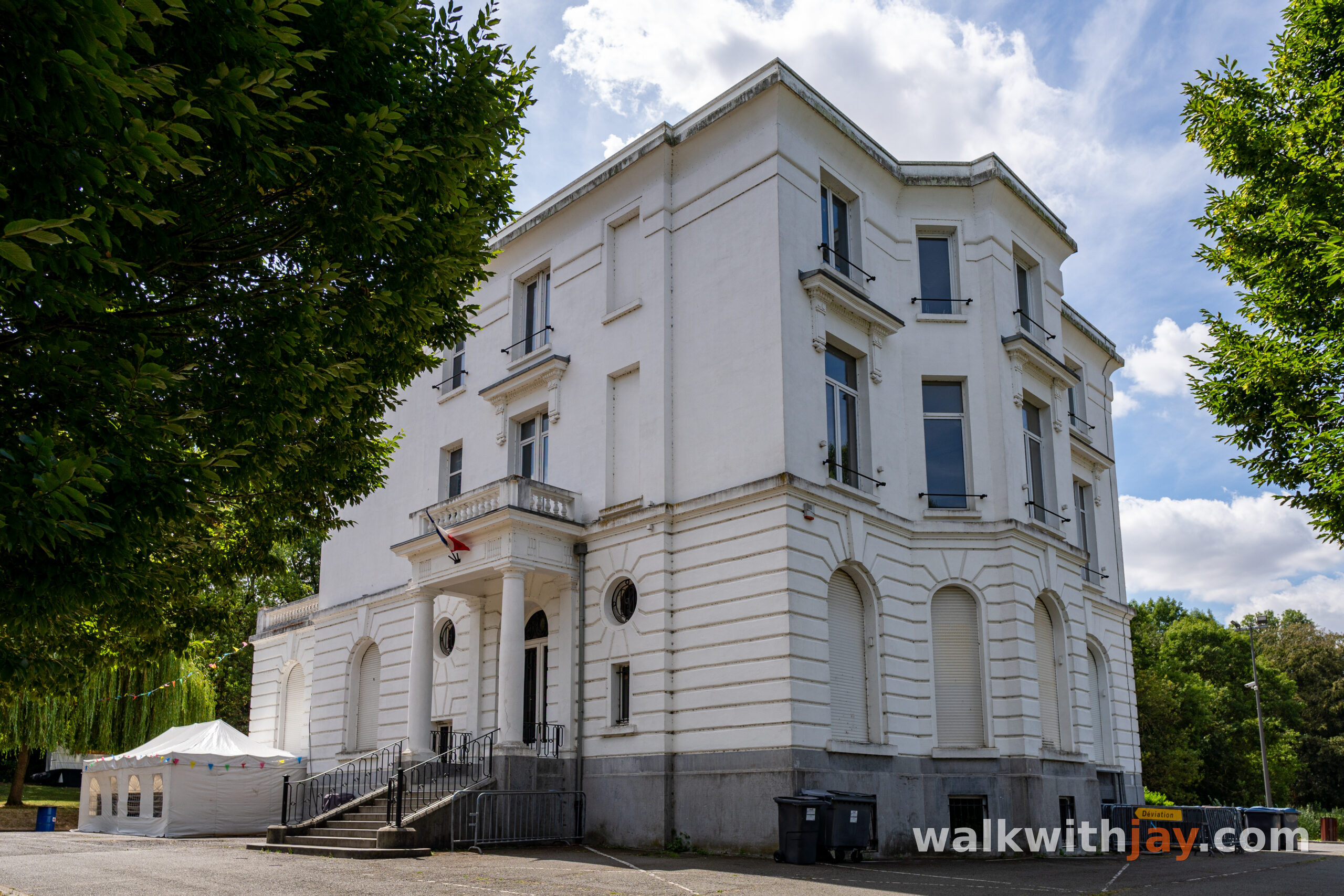
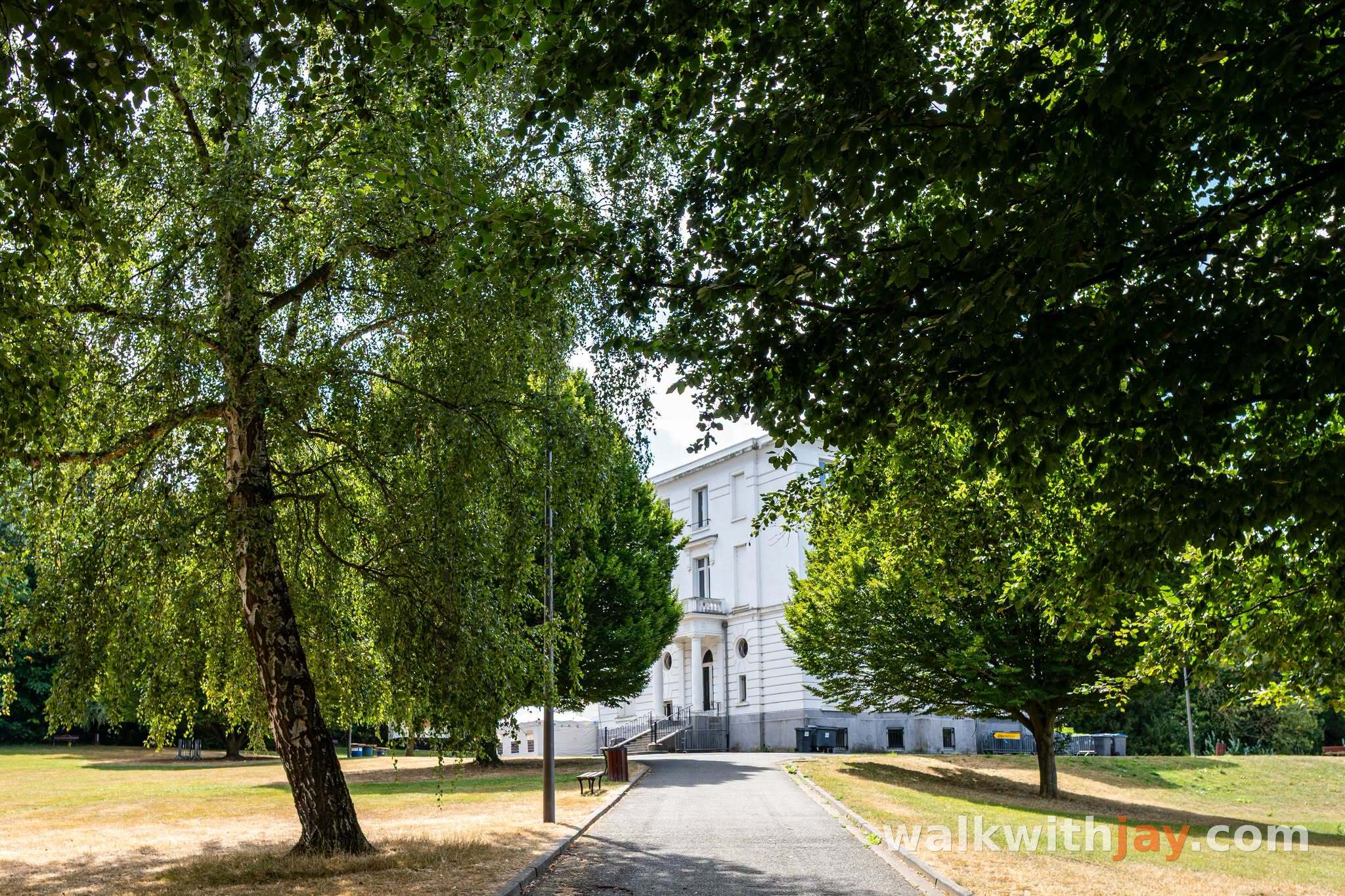
The neoclassical château was built from 1910 for the Derville family. During the First World War, Wervicq-Sud came under German occupation and the building was requisitioned as Feldlazarett No. 9.
Wounded German soldiers were treated here, while those who died from their injuries were buried in a temporary cemetery beside the château.
Several well-known names are connected with this period. German expressionist artist Max Beckmann worked here as a medical orderly during the war. Adolf Hitler also received first aid here in October 1918 after being injured in a gas attack. He was later transferred to a military hospital in Pasewalk, in north-eastern Germany.
An old farmhouse and small museum
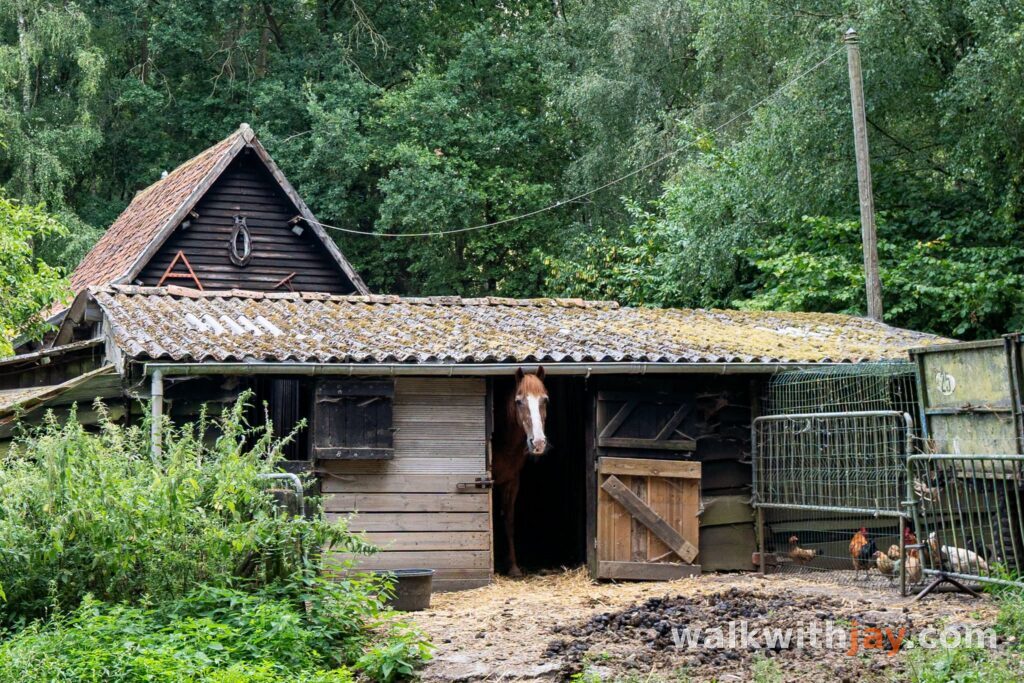
Behind the château stands an eighteenth-century Flemish farmhouse, now home to the Musée des Petits Métiers de la Ferme.
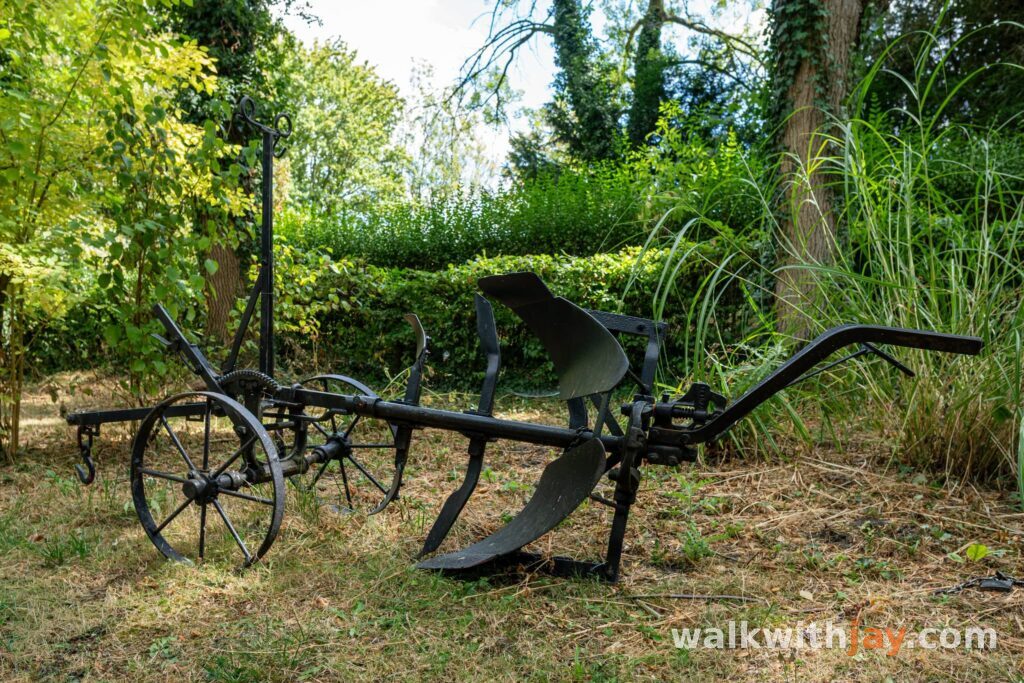
Old tools, farming equipment and reconstructed rooms give an idea of rural life in the past and the trades once connected with agriculture. The museum was closed during my visit, although several pieces of old farming equipment could still be seen outside.
If you want to visit the museum, it is worth checking the opening hours beforehand.
Bunkers among the trees
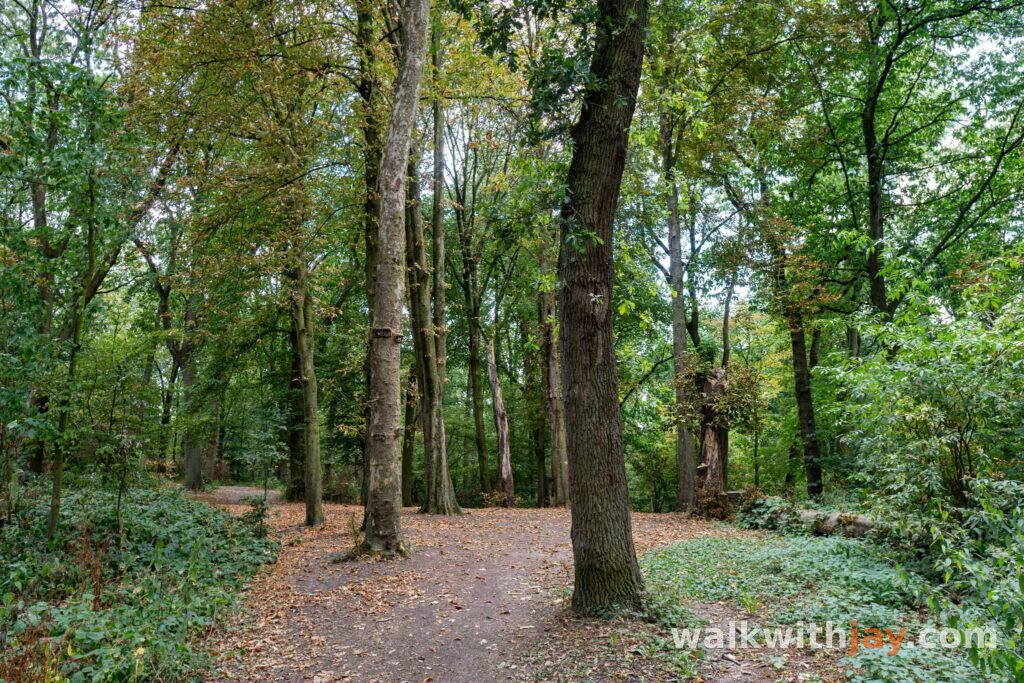
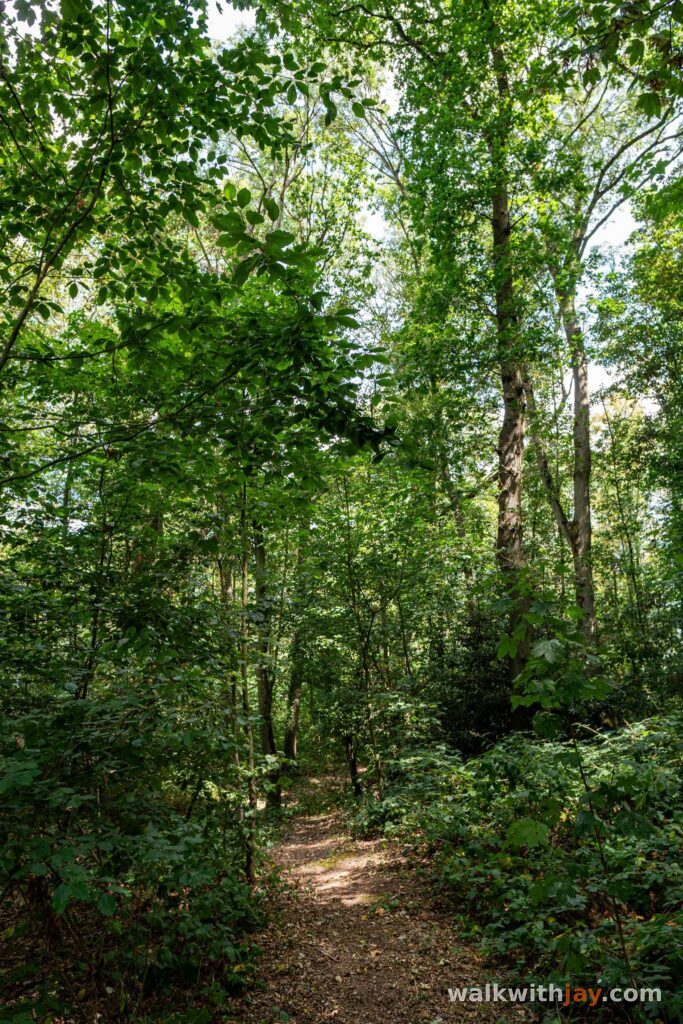
From the farmhouse, the paths continue into the woodland. This was my favourite part of the walk.
Once beneath the trees, I hardly saw anyone else. It is peaceful here, but traces of the estate’s military past are still scattered through the woods.
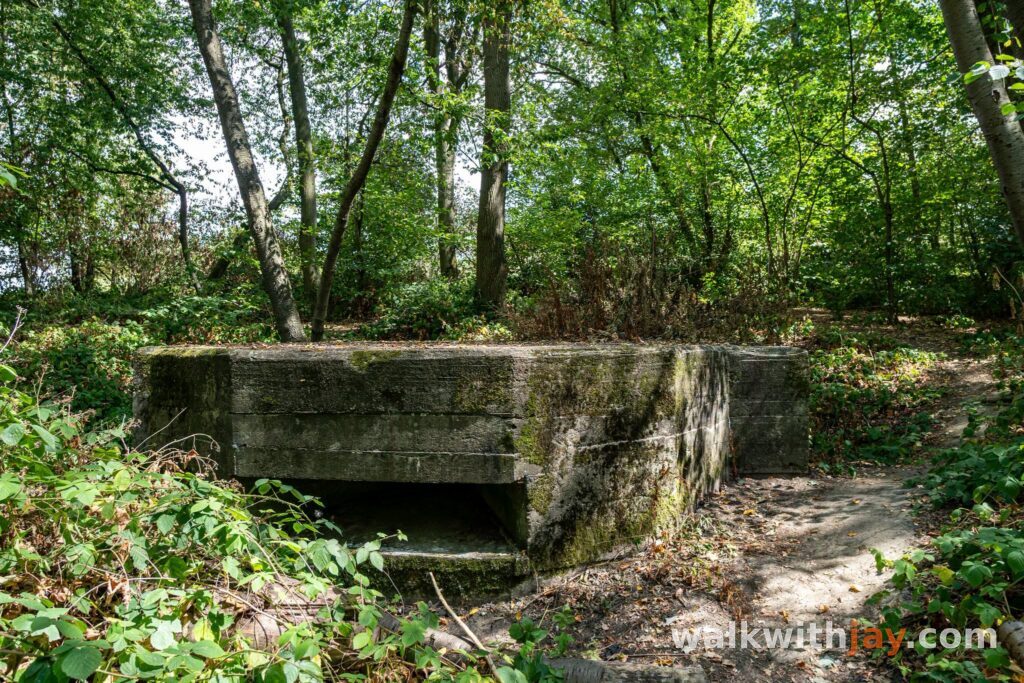
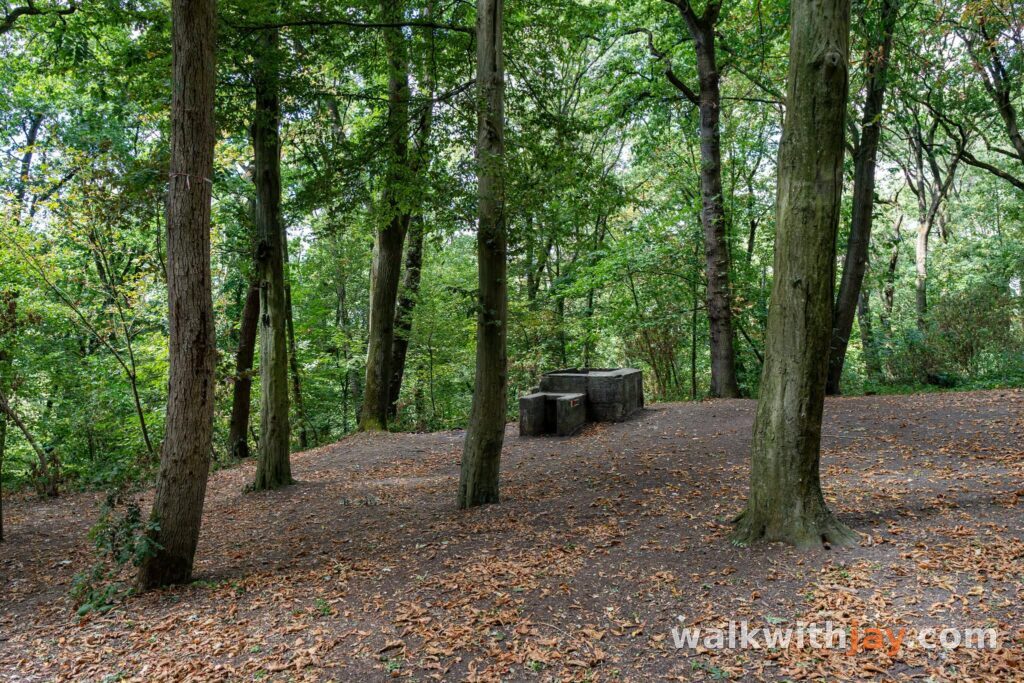
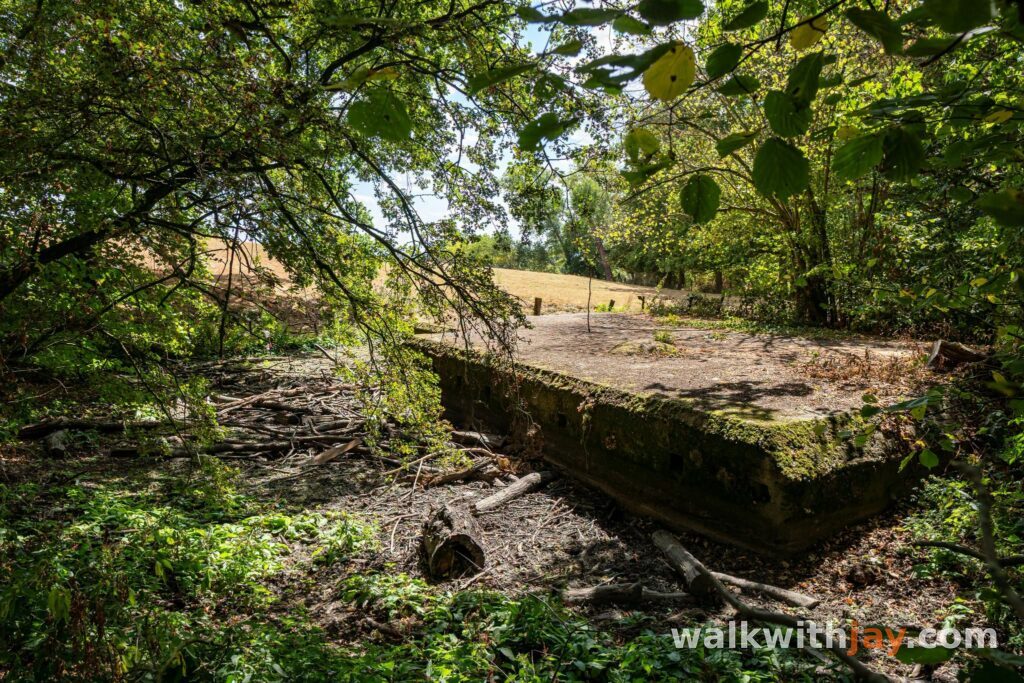
Four German concrete structures from the First World War survive on the estate. These include former machine-gun positions and a larger L-shaped bunker, probably used as an artillery position. A narrow-gauge railway built by the German army may also once have ended nearby.
Not all of the remains are immediately visible. Some only appear when you slow down and look between the trees. That is part of what makes this section so interesting. It does not feel like a carefully arranged heritage site, but like a woodland where parts of the war have simply remained in place.
The German memorial
Deeper in the woods stands the monument that originally brought me to Château Dalle-Dumont.
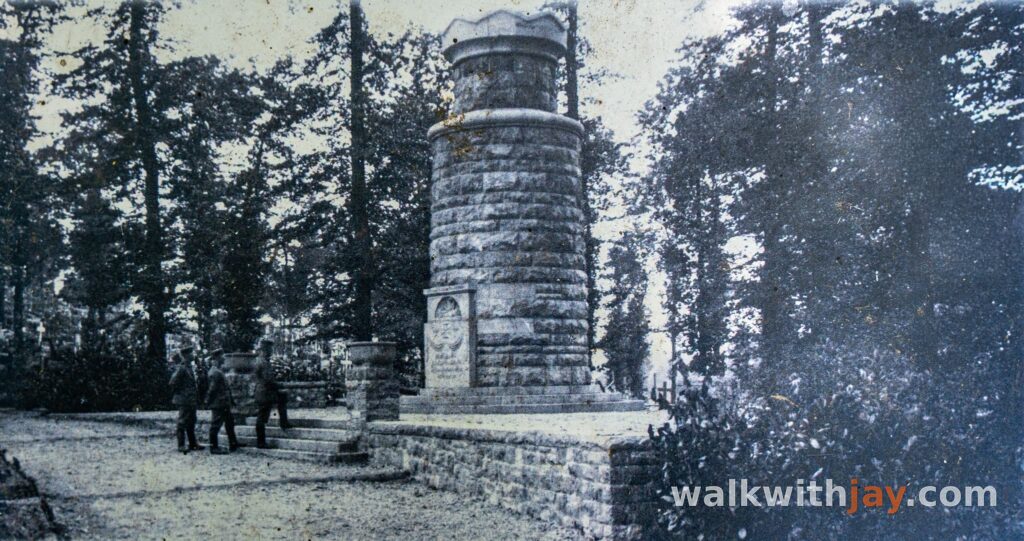
The stone tower, almost ten metres high, was designed by German architect Wilhelm Kreis and built during the First World War in memory of German soldiers killed in 1914 and 1915. It was inaugurated on Christmas Day 1915. The stone dome alone weighs around nine tonnes.
After the war, the German cemetery beside the château was moved farther down the slope, while the monument remained where it was.
As the tower gradually began to sink into the sloping ground, it was dismantled in 1983 and 1984 and rebuilt stone by stone by German soldiers with help from the French Army.
Photos from this walk



Jay’s tips
Bring something to eat if you like. There are several picnic tables around the château, making this a good place to stop for lunch before exploring the rest of the estate. Take your time in the woodland. Some of the military remains are easy to miss if you walk through too quickly.
Good to know
Muddy after rain
Picnic area or benches
Museum nearby
Heritage or historical site
Castle
Military heritage
Memorial or commemorative monument
Some woodland paths can become muddy after rain. If you also want to visit the Musée des Petits Métiers de la Ferme, check the current opening hours before you go.
My experience
I had only stopped here to eat my lunch and visit a German First World War memorial. It was only after arriving that I realised how much more there was to explore, so I decided to walk through the park and woodland as well.
I especially liked the quiet wooded section, with the bunkers appearing between the trees. What was meant to be a short stop turned into a walk where I stayed much longer than planned.
Waymarking
Not waymarked
Route map available on site

Places of interest
Château Dalle-Dumont
Along the route
A neoclassical château built from 1910 and used as a German field hospital during the First World War.

Musée des Petits Métiers de la Ferme
Along the route
A small museum inside an eighteenth-century Flemish farmhouse, exploring rural life, farming and traditional trades.
21 Rue de Linselles, 59117 Wervicq-Sud, France ↗
Website →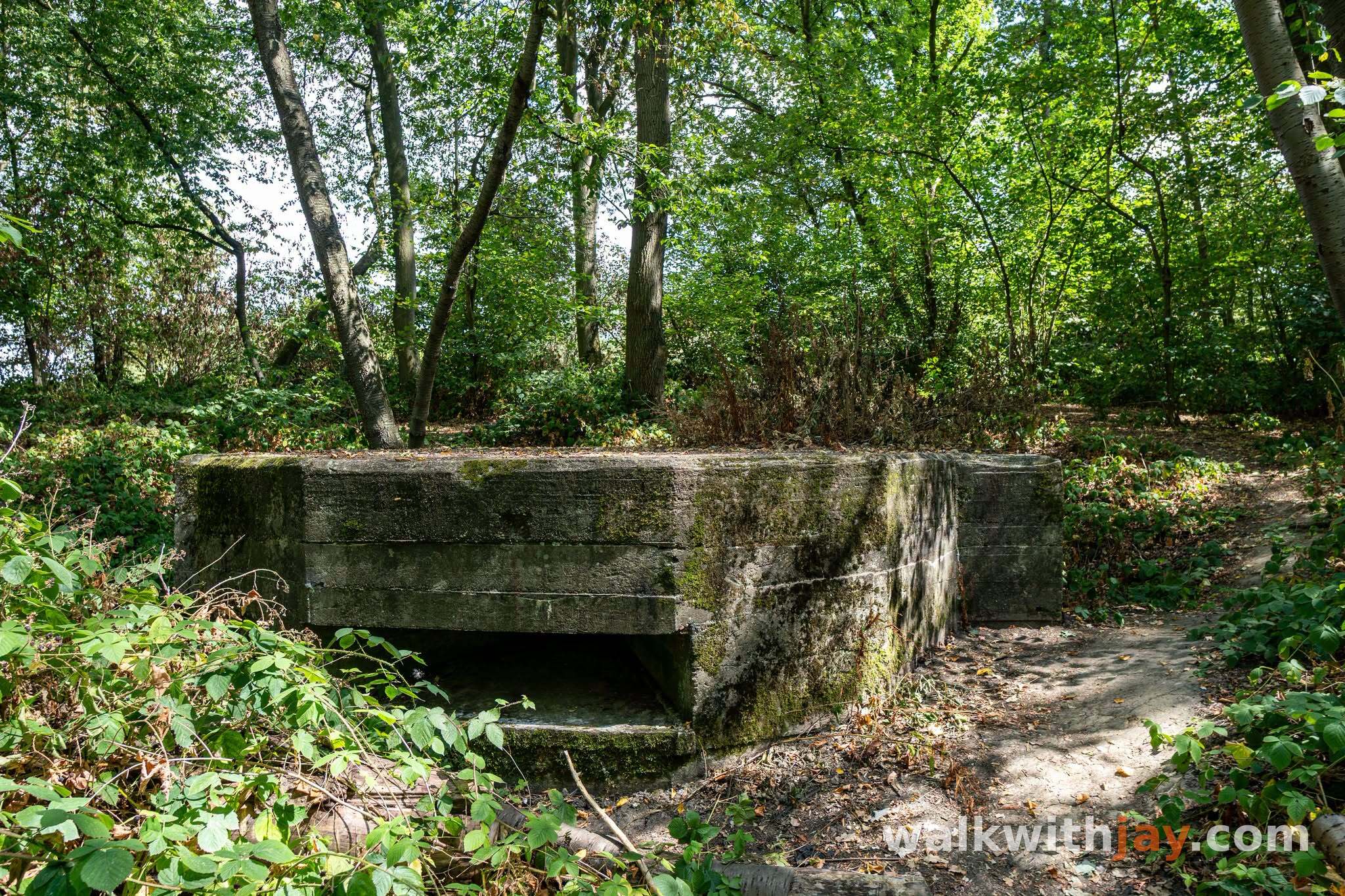
Blockhaus allemands du Bois Dalle-Dumont
Along the route
Four German military structures survive across the estate, including former machine-gun positions and a larger L-shaped bunker.

Monument allemand de la Première Guerre mondiale
Along the route
A stone memorial tower almost ten metres high, designed by Wilhelm Kreis and inaugurated on Christmas Day 1915.
Ready to set off?
Open the starting point in your GPS and enjoy the walk.