Vimy Memorial Walk
Givenchy-en-Gohelle
 3 min read
A walk across Vimy Ridge past the Canadian memorial, woodland trails, trenches and visible traces of the former battlefield.
The walk
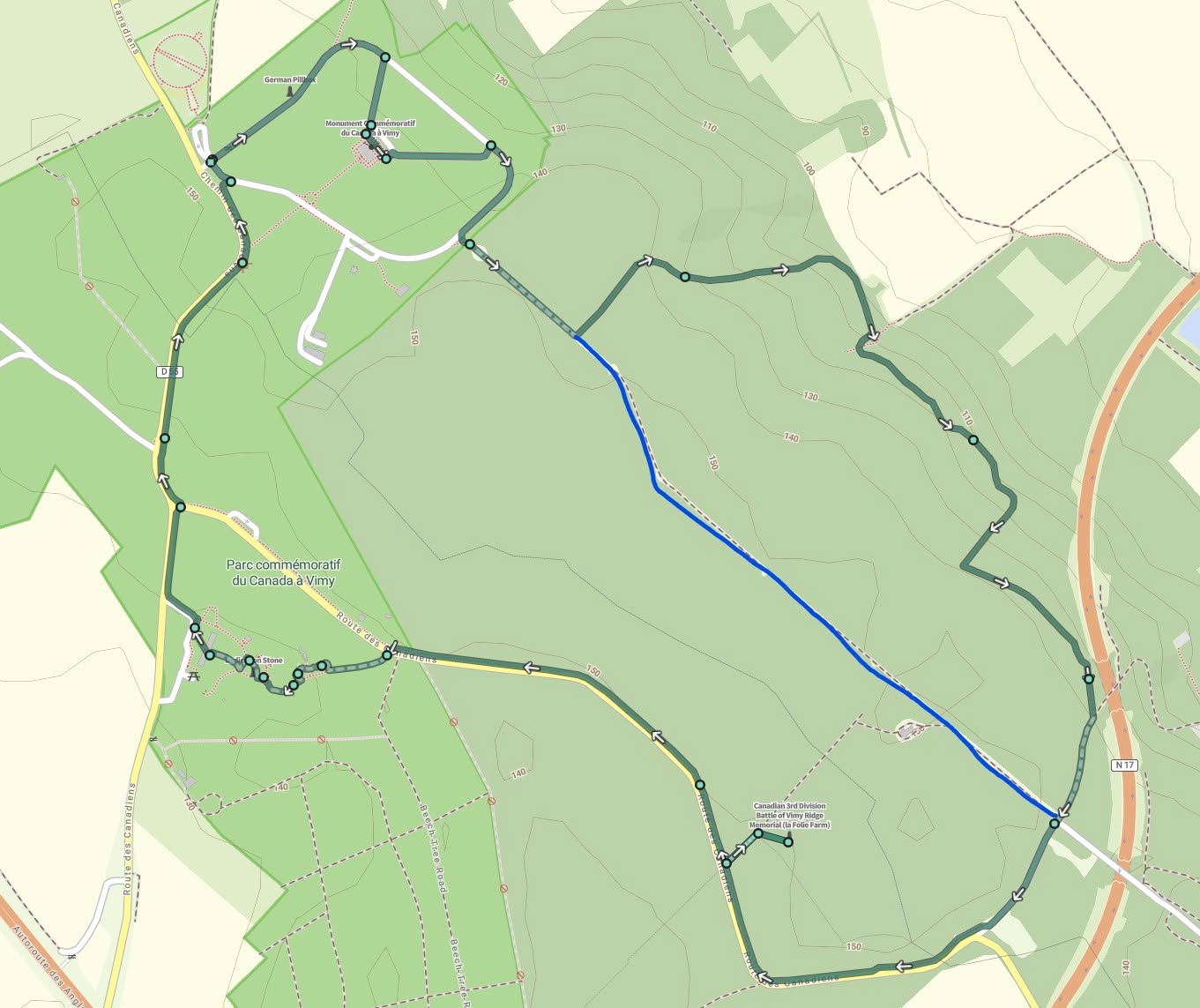
This 6.4-kilometre loop starts at the Canadian National Vimy Memorial before continuing across part of the former battlefield. Beyond the monument, the landscape still holds plenty of traces of the war: old trenches, shell craters, concrete remains and quiet woodland paths.
Route map
From the memorial into the battlefield
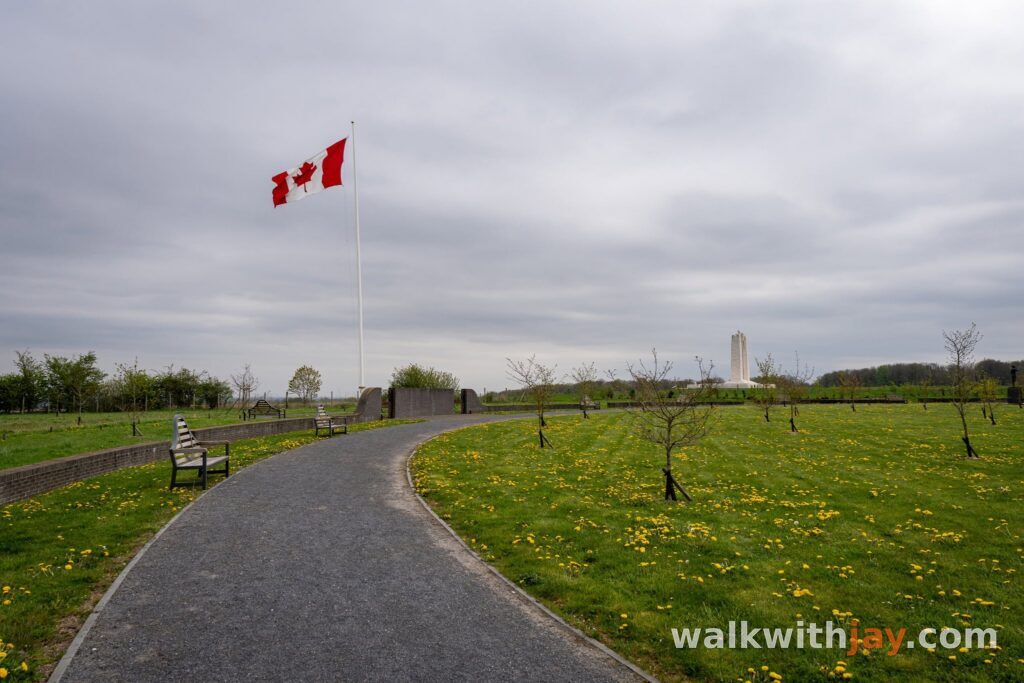
The walk starts near the Canadian National Vimy Memorial, on the ridge where heavy fighting took place in April 1917. Canadian troops attacked a strongly defended German position that had resisted earlier Allied assaults. The battle later became an important part of Canada's First World War remembrance.
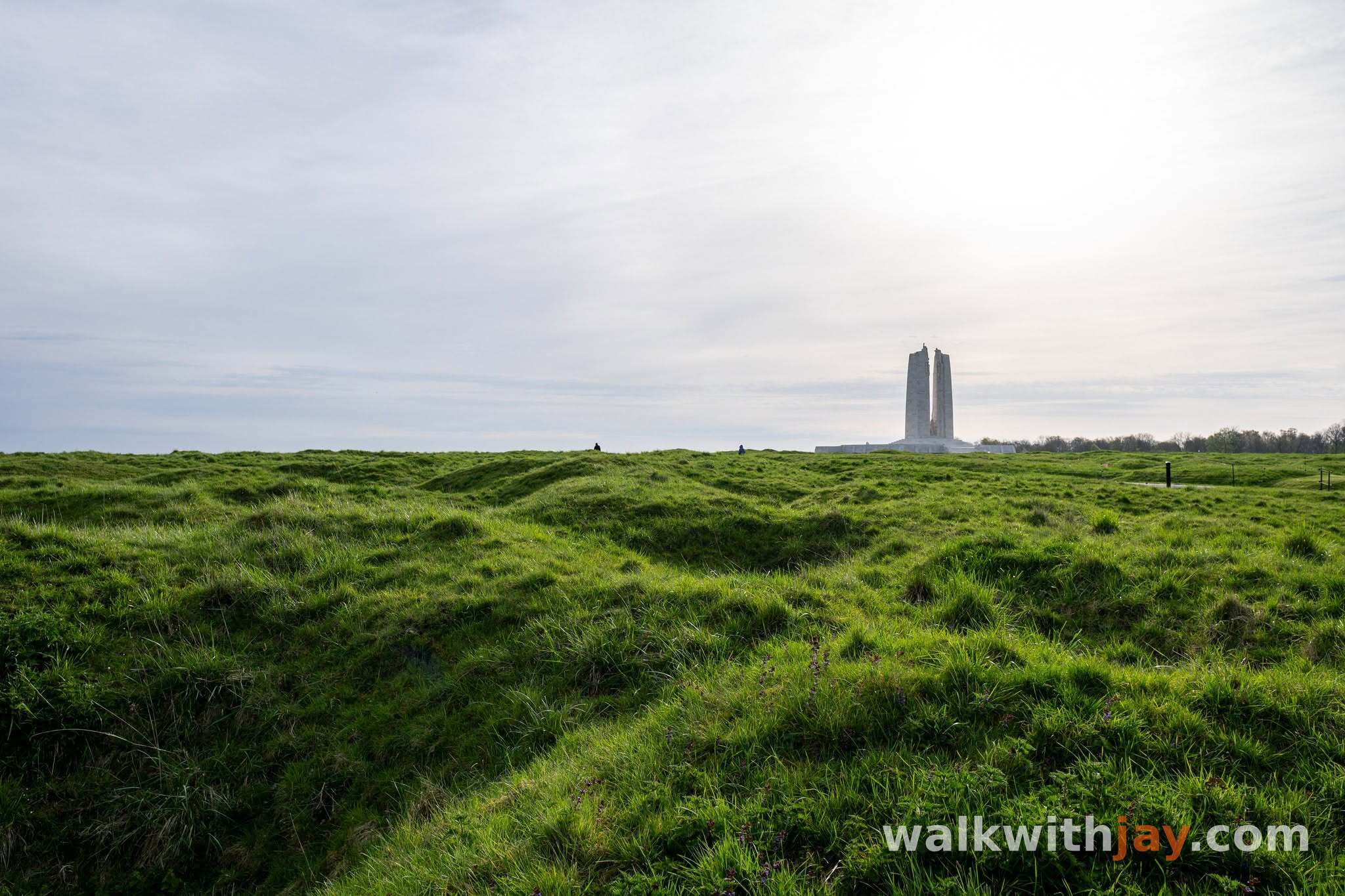
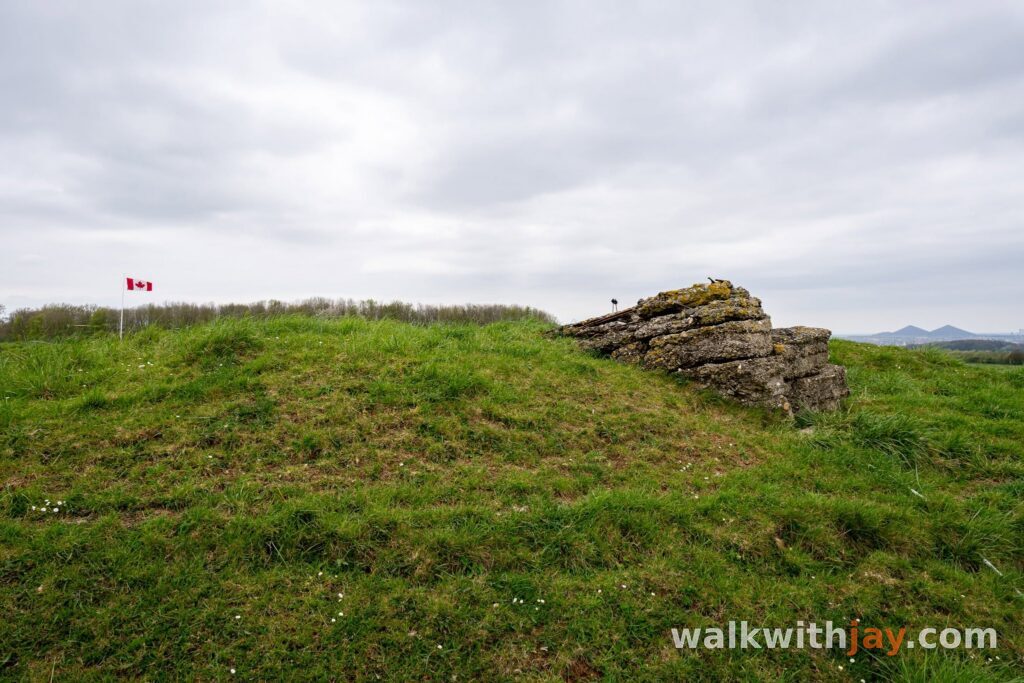
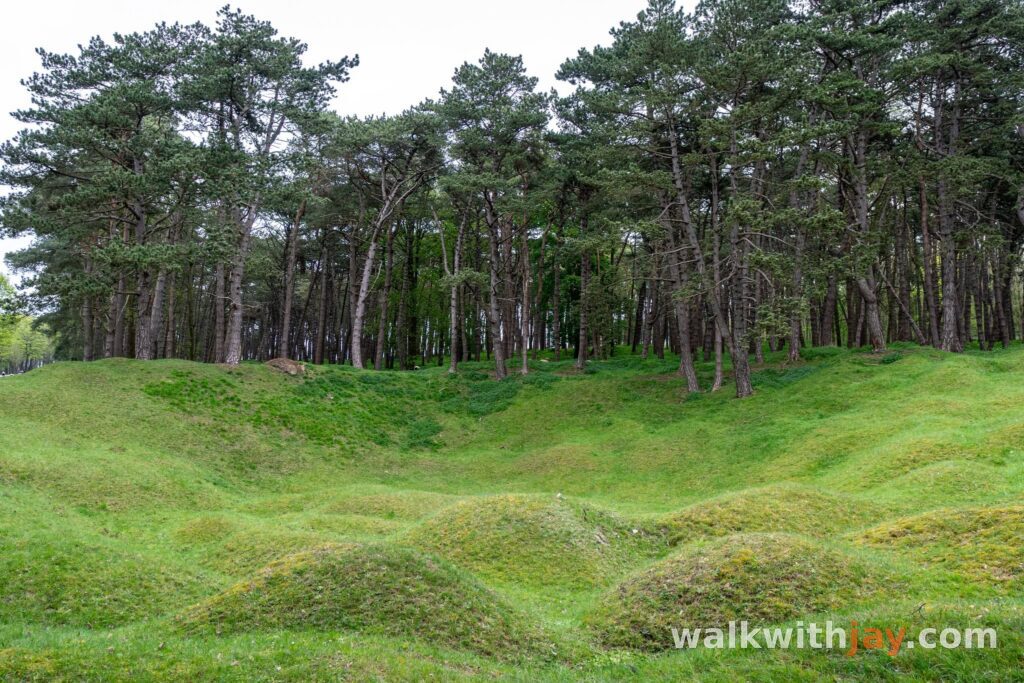
From the car park, the route first heads towards the monument. Even before you reach it, shell craters, concrete remains and other traces of the former battlefield are already visible inside the restricted areas.
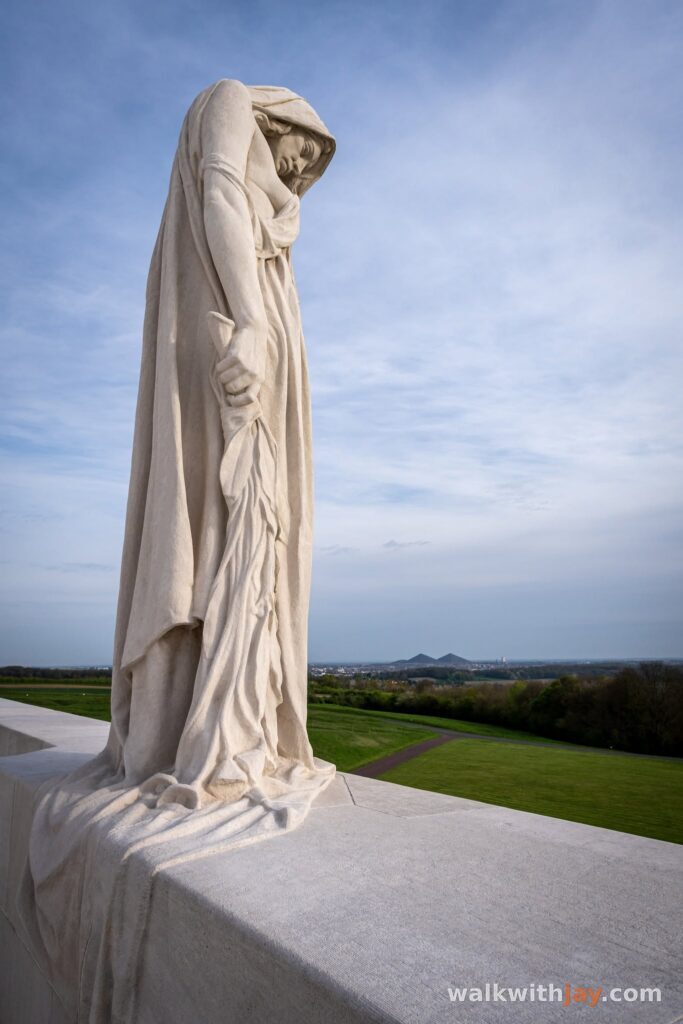
The memorial was designed by Canadian sculptor and architect Walter Seymour Allward and unveiled in 1936. Its walls carry the names of 11,285 Canadian servicemen who died in France during the First World War and whose graves were unknown at the time.
Narrow trails between old positions
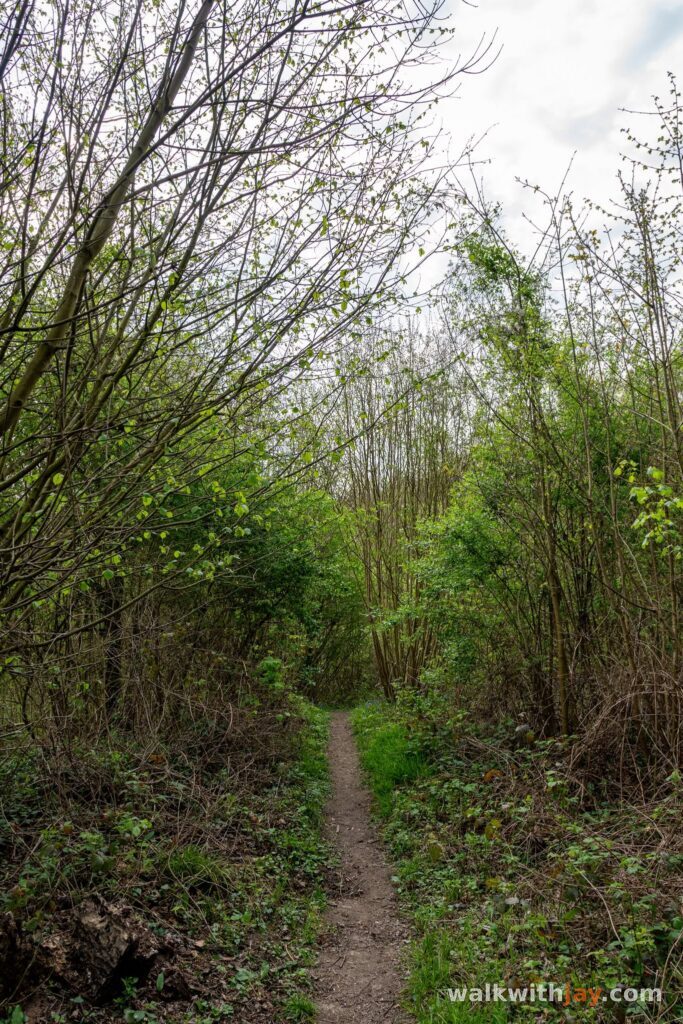
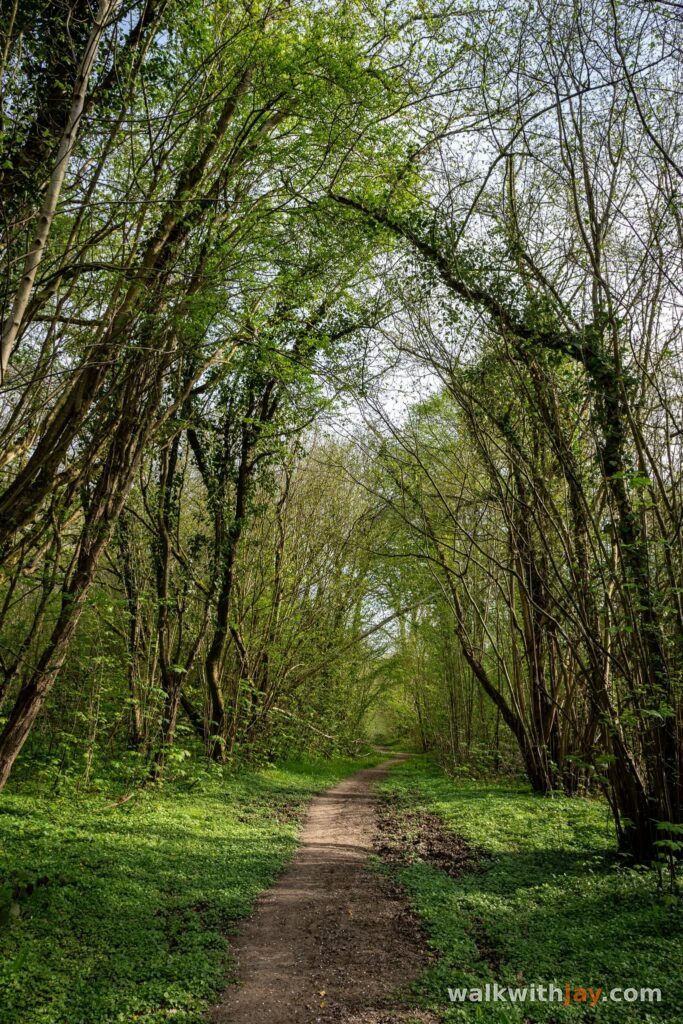
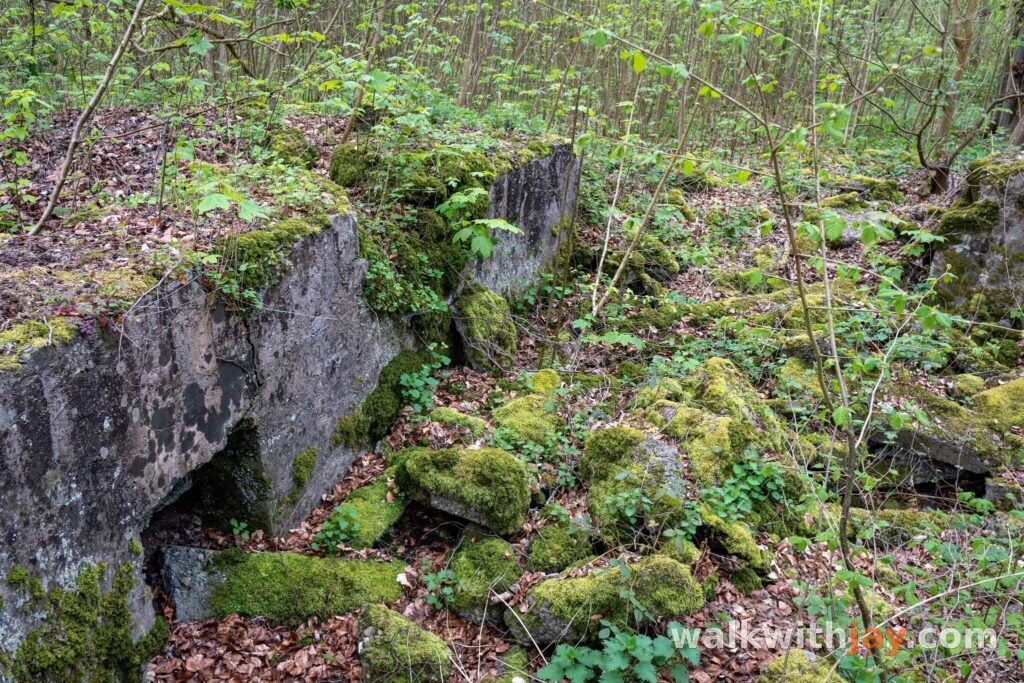
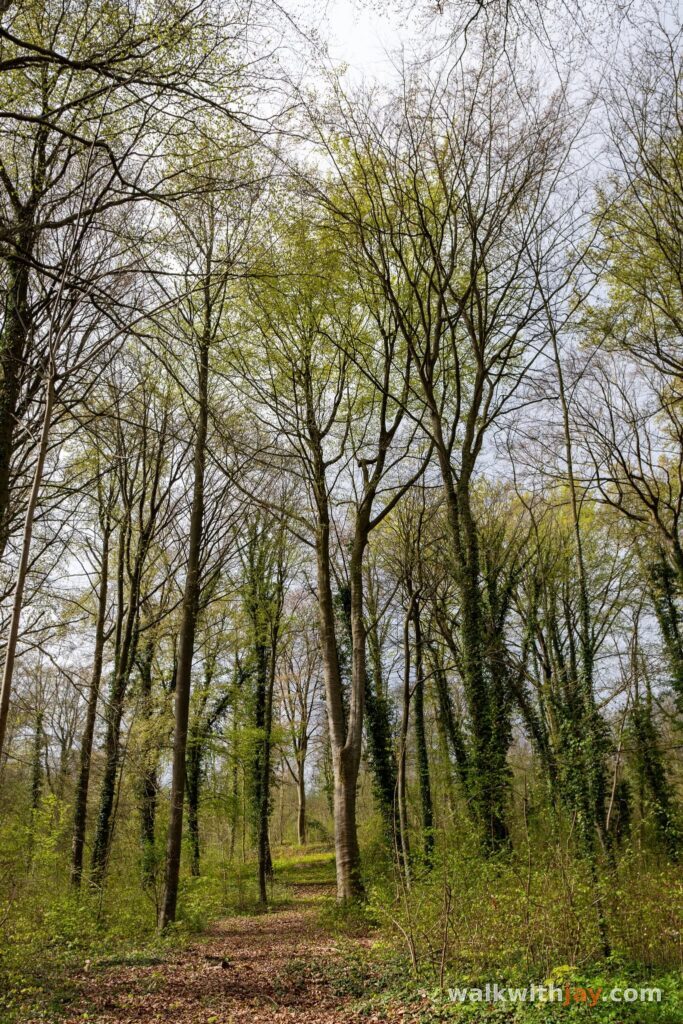
After the memorial, the route follows a short stretch of the Road of Canadian Memory before leaving the main road and entering the woods. The surroundings change immediately. The ground rises and falls gently, and old trenches, shell craters and remains of concrete structures still appear between the trees.
This is the section that gives the walk much of its interest for me. The traces are not concentrated in one place; they appear gradually through the woodland. In some spots, you need to look carefully to recognise what still belongs to the wartime landscape.
It is also the quietest part of the route. You may occasionally pass a trail runner or another walker, but long stretches of the woodland remain silent.
Trenches and the visitor centre
After the woodland, the route rejoins the road through the site. A short detour also allows you to visit the 3rd Canadian Division Memorial before continuing towards the visitor centre.
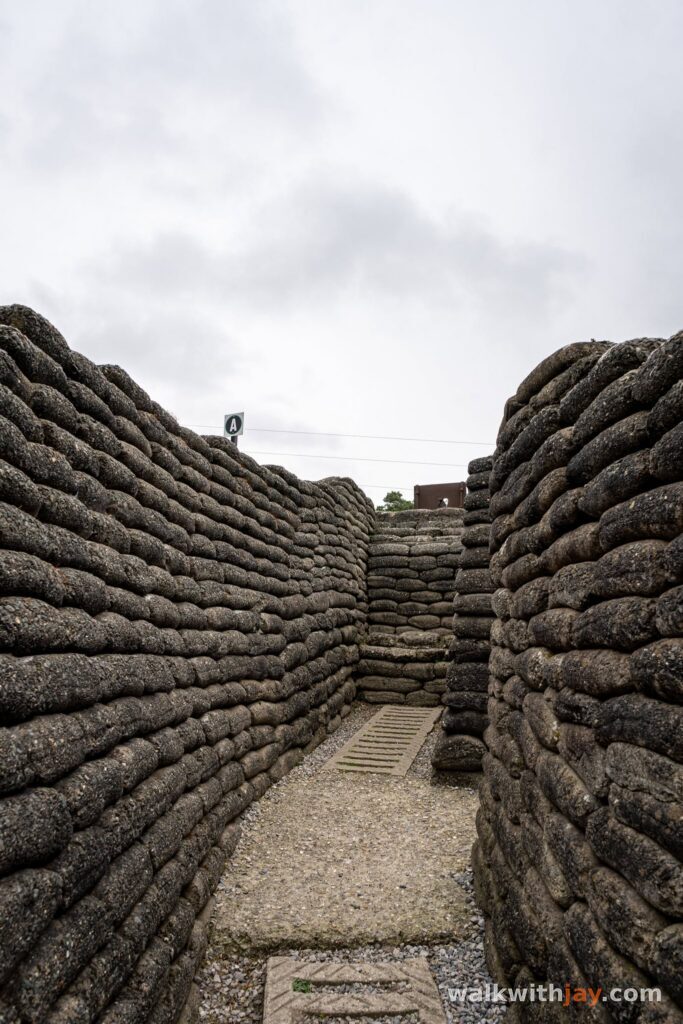
Around the centre are restored and reconstructed trenches on the former Canadian and German forward lines. You can walk through them while looking across a landscape that is still heavily marked by shell craters. Large parts of the site remain closed because dangerous wartime remains, including unexploded ammunition, may still be present underground. Sheep are used to graze parts of the site so that people and machinery do not need to enter restricted areas as often.
Inside, the visitor centre adds more context through artefacts, information and personal stories. Depending on guided tour availability, it may also be possible to visit parts of the underground tunnels. With a little extra time, you can take short detours to Canadian Cemetery No. 2 and Givenchy Road Canadian Cemetery. Afterwards, you return to the memorial and the car park where the walk began.
Photos from this walk









Jay’s tips
Allow more time than the 6.4 kilometres might suggest. The memorial, trenches and visitor centre are places where you can easily spend longer than planned.
Good to know
Sturdy footwear recommended
Busy at weekends
Visitor centre or information point
Heritage or historical site
Monument
Military heritage
War cemetery
Memorial or commemorative monument
Stay on the accessible paths and respect the restricted areas. Vimy is a preserved battlefield and dangerous First World War remains are still found in the ground. Only service dogs and guide dogs are permitted on the Canadian memorial site.
My experience
My first visit to Vimy was during the commemoration period. I had seen the memorial many times in photographs but had never stood in front of it myself. That first visit left enough of an impression for me to return several times afterwards. On this walk, the woodland stayed with me most: narrow paths, long quiet stretches and small traces of the former battlefield almost everywhere. The memorial is naturally the best-known part of the site, but walking farther across the grounds showed me how much remains visible beyond it.
Waymarking
Not waymarked
Route map available on site
Places of interest
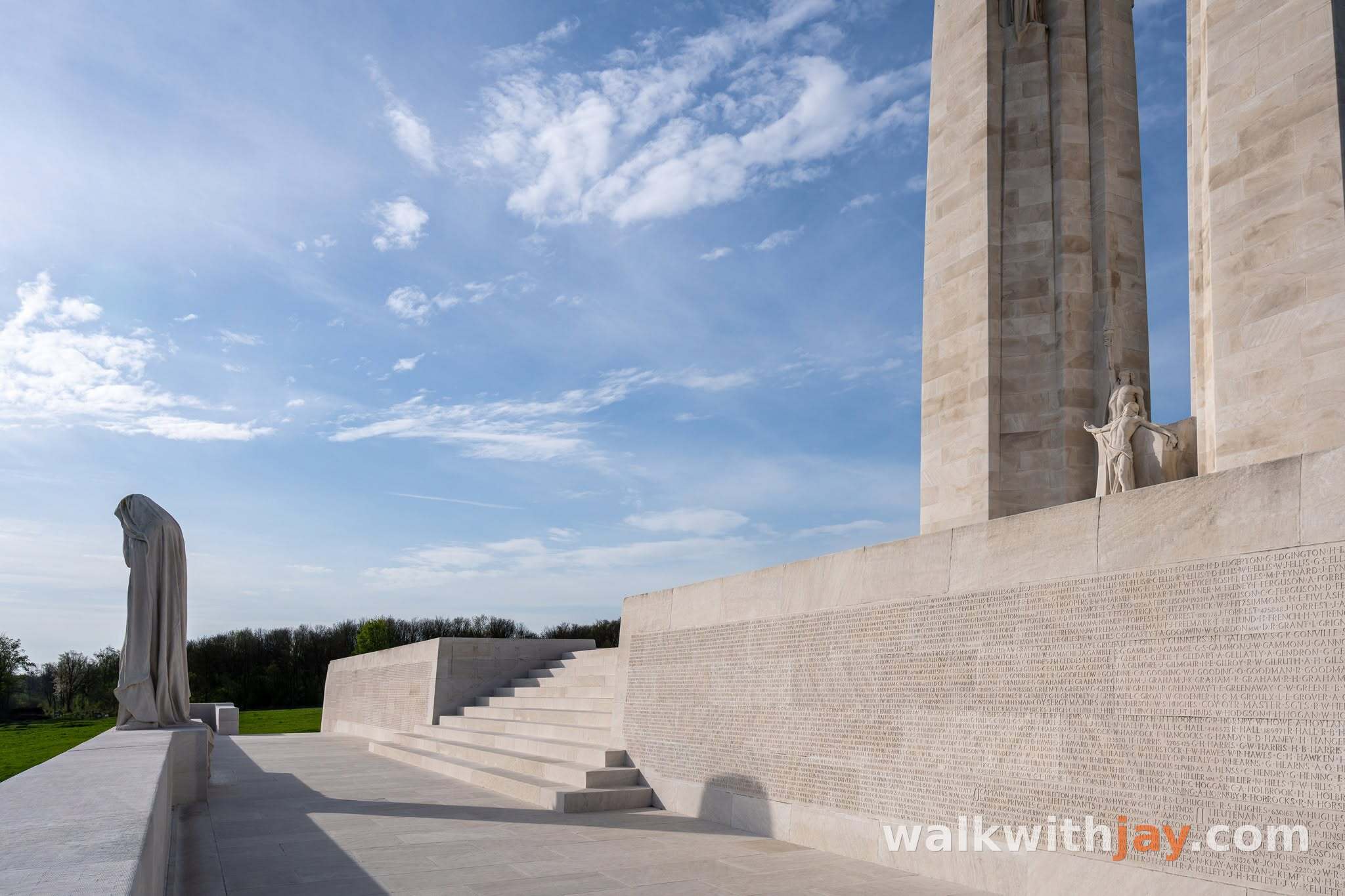
Canadian National Vimy Memorial
At start/finish
Memorial overlooking Vimy Ridge, designed by Walter Seymour Allward and unveiled in 1936.
Chemin des Canadiens (Route D55), 62580 Givenchy-en-Gohelle, France ↗
Website →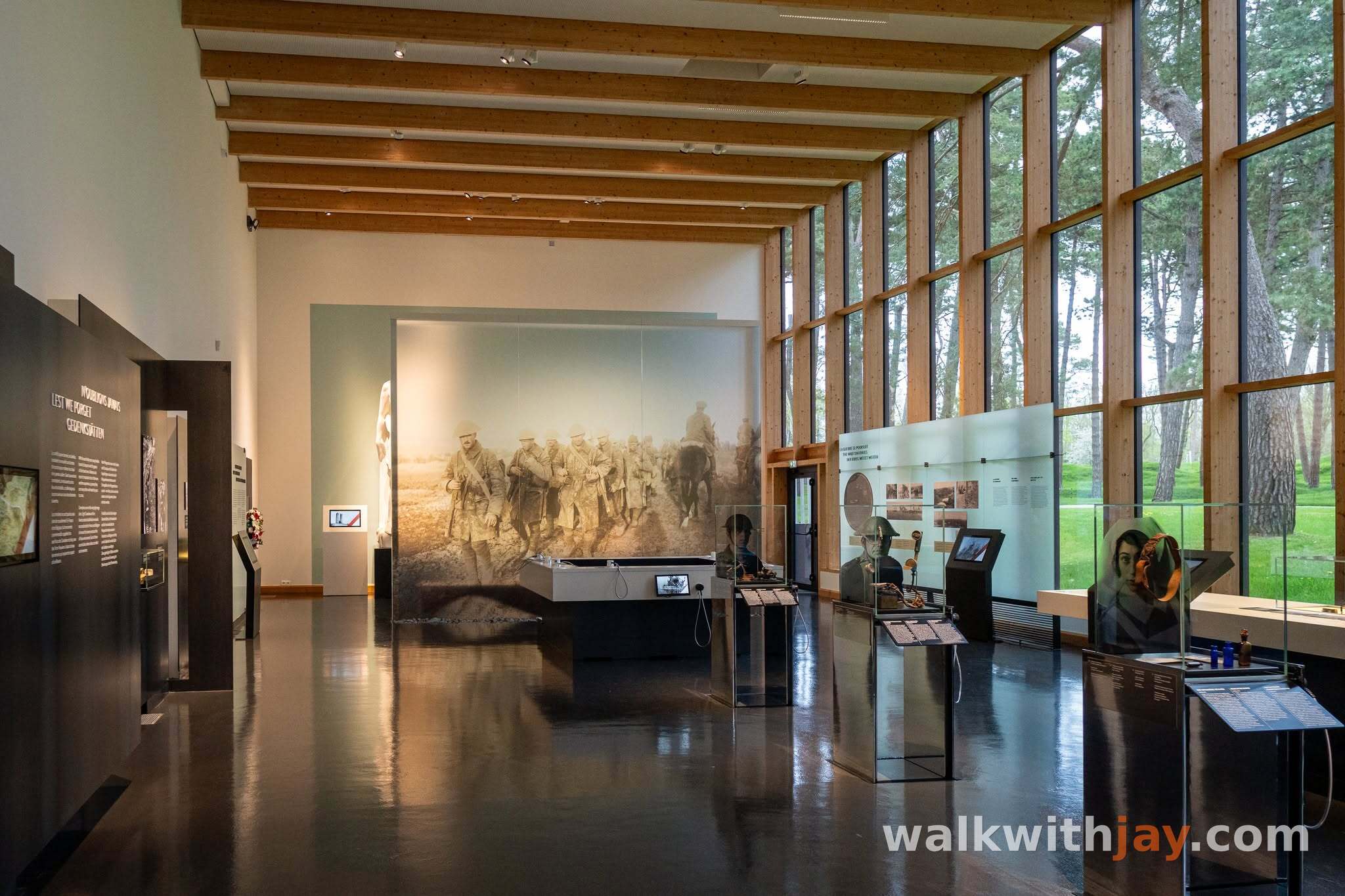
Canadian National Vimy Memorial Visitor Centre & Trenches
Along the route
Visitor centre with exhibitions, reconstructed trenches and guided tours that can include sections of the underground tunnels.
Chemin des Canadiens (Route D55), 62580 Givenchy-en-Gohelle, France ↗
Website →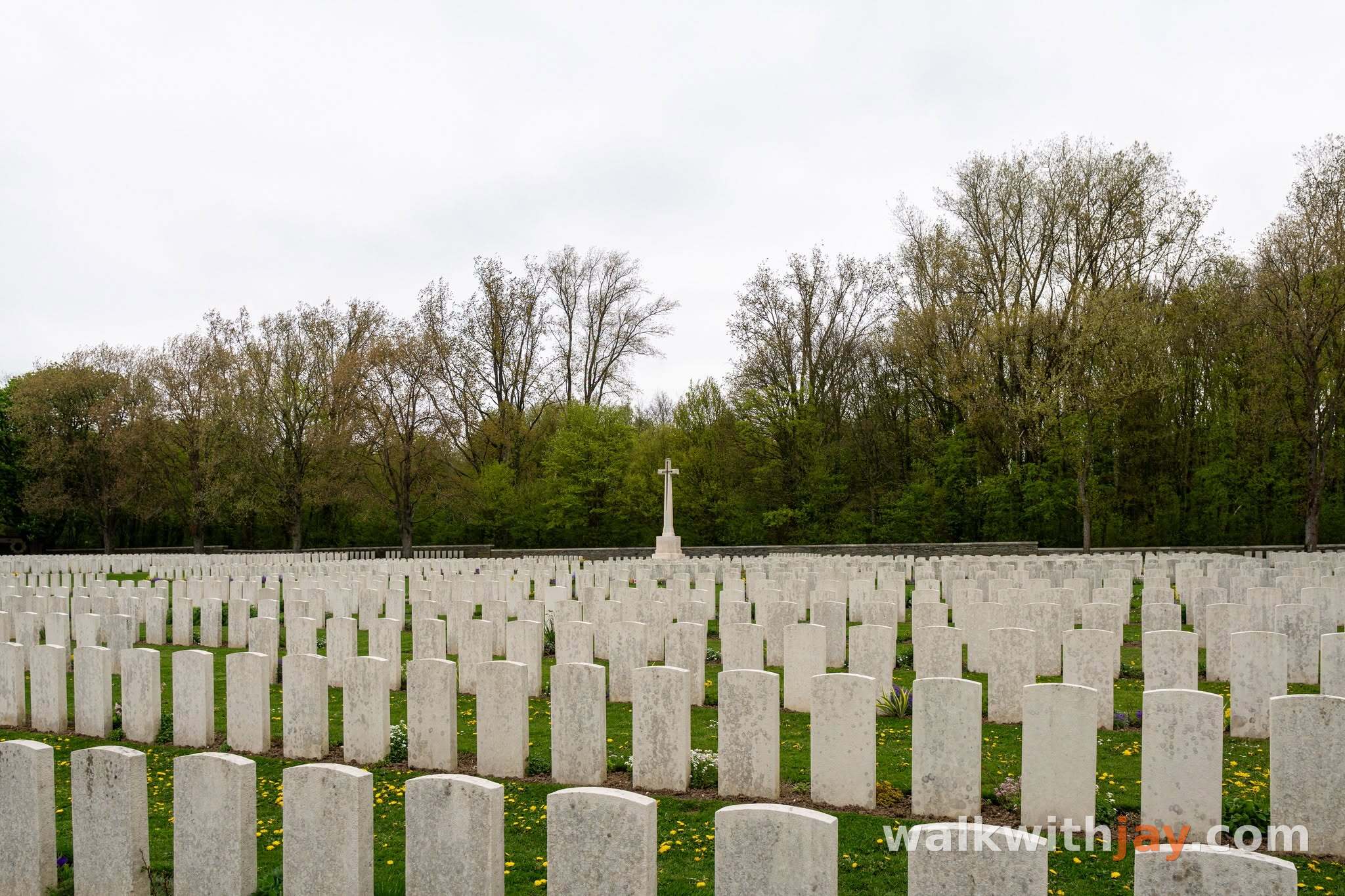
Canadian Cemetery No. 2
Nearby
Commonwealth cemetery on the memorial site, reachable with a short detour.
Canadian National Vimy Memorial site, 62580 Givenchy-en-Gohelle, France ↗

Givenchy Road Canadian Cemetery
Nearby
Second Commonwealth cemetery on the Vimy site, also reachable with a short detour.
Canadian National Vimy Memorial site, 62580 Givenchy-en-Gohelle, France ↗
Ready to set off?
Open the starting point in your GPS and enjoy the walk.