Nonnenbospad
Wevelgem
A varied walk through Wevelgem, combining local heritage, old branches of the Leie, the Leiebos and peaceful stretches beside the water.
The walk
The Nonnenbospad is an 8.7-kilometre loop through Wevelgem. Starting at Vanackere Castle, the route passes through residential streets before continuing towards the old branches of the Leie, the Leiebos and the river itself. There is no single major highlight along the way; much of the appeal comes from the changing surroundings, with a mix of parkland, local heritage, woodland and waterside paths.
Route map
Starting among parkland and local heritage
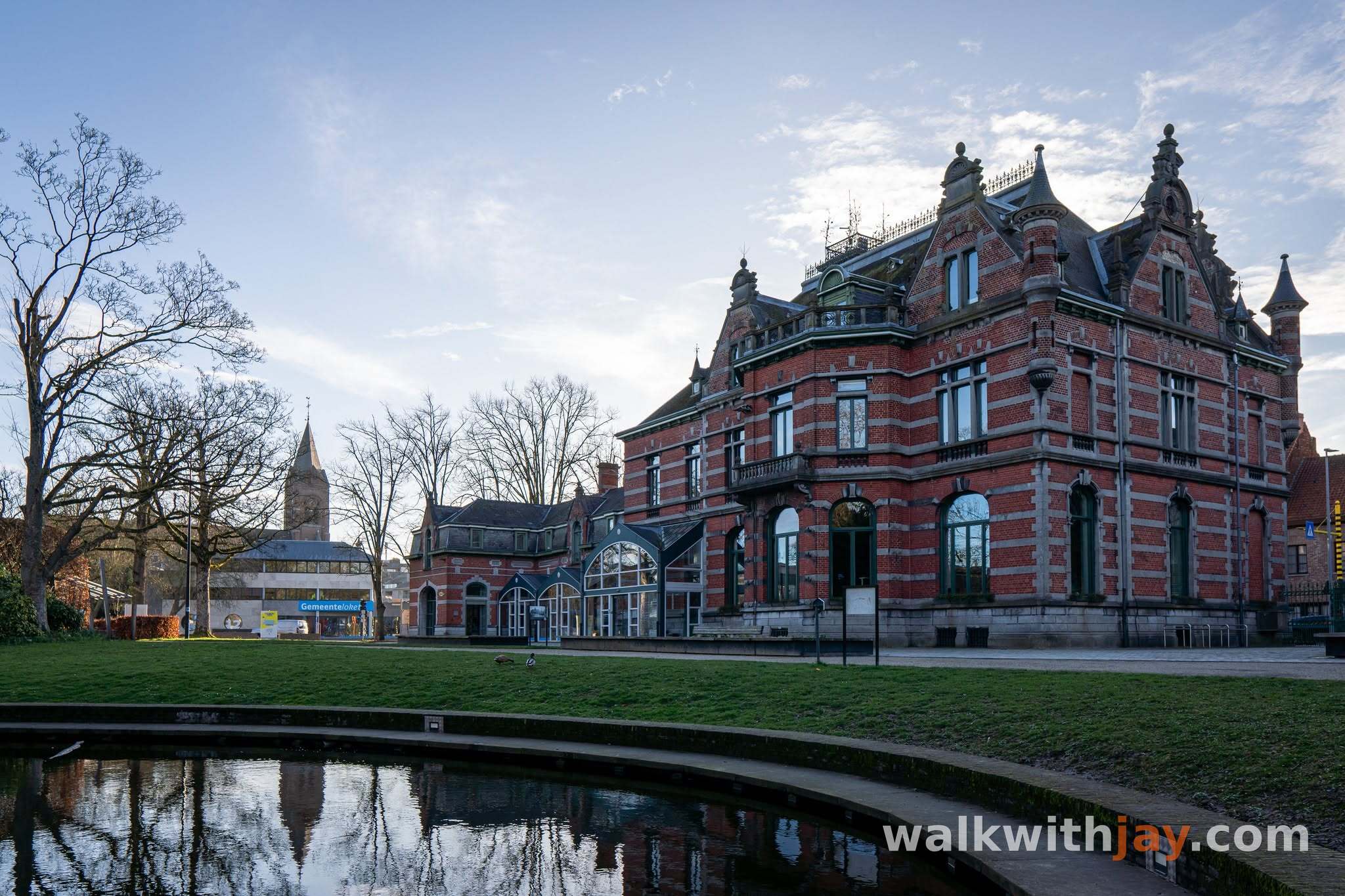
The walk begins in the park surrounding Vanackere Castle, which now houses Wevelgem’s town hall. The present castle was built between 1894 and 1896 for the Vanackere-Van der Mersch family. During both world wars, it was requisitioned by the German occupiers and used as an Ortskommandantur. The municipality bought the estate in 1954 and the building later became an administrative centre.
Before continuing, it is worth taking a few minutes to explore the park itself. Two small garden pavilions still stand beside the pond, and beneath one of them is an old ice cellar. The mature trees, water and long beech-covered walkway still give a sense of the character of the former estate.
From here, the route continues through smaller streets and passages in the surrounding neighbourhoods. Along the way, you pass La Roseraie on Vanackerestraat and several houses dating from the interwar period. This first section is fairly built-up, but there are enough architectural details to keep it interesting if you enjoy local heritage.
Towards the old branches of the Leie
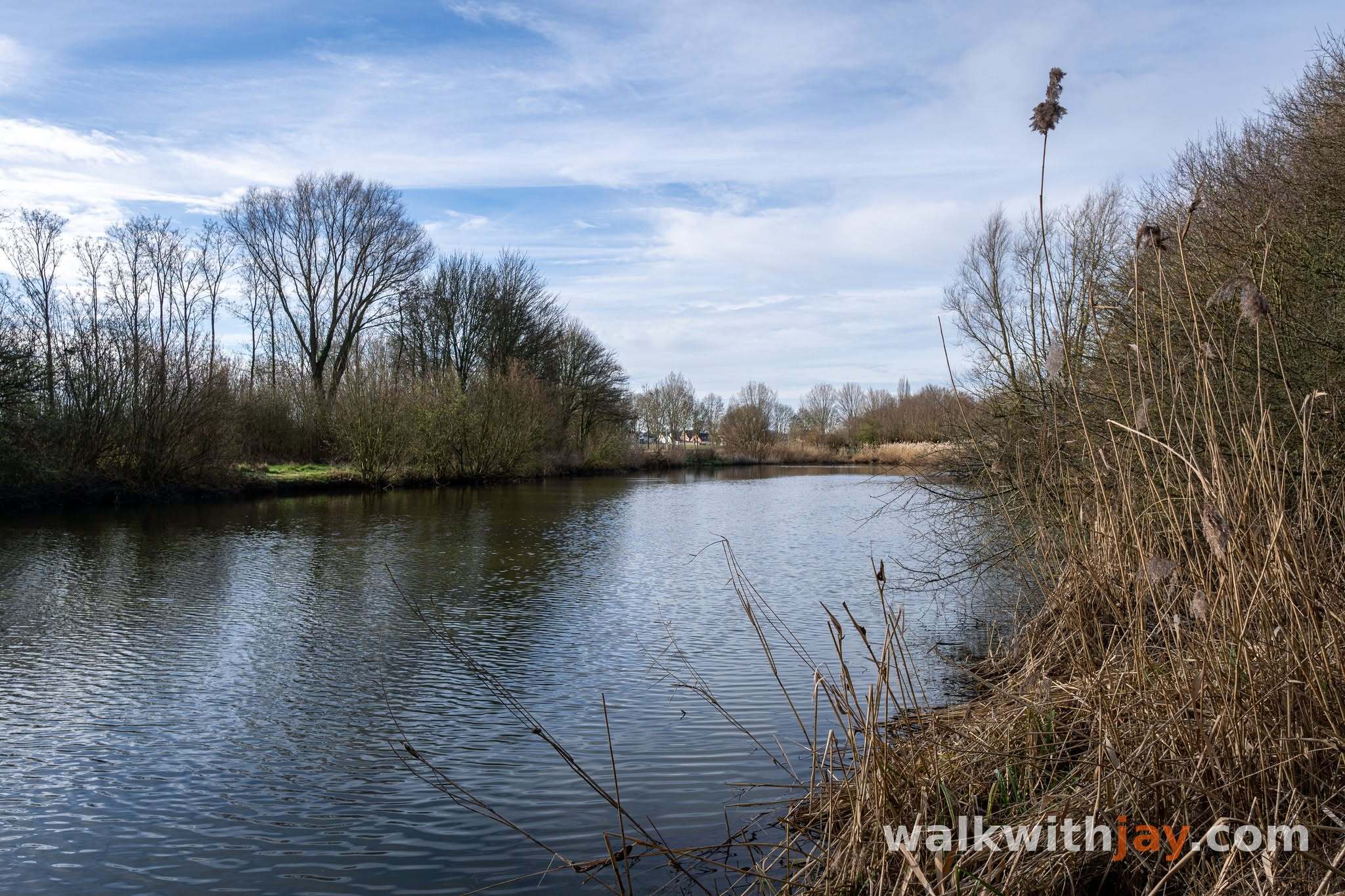
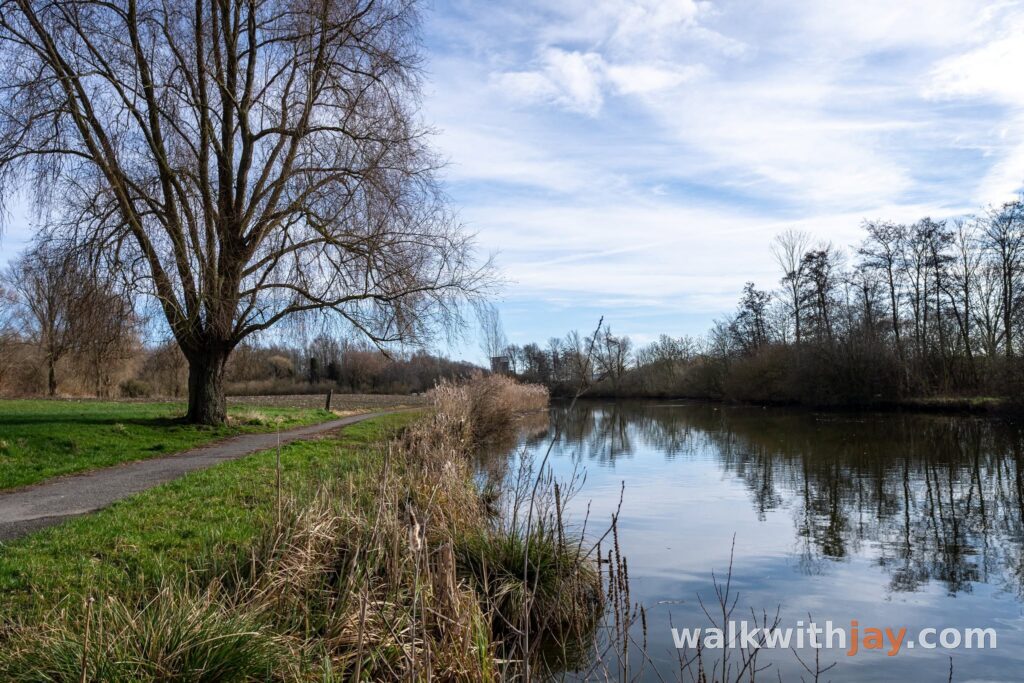
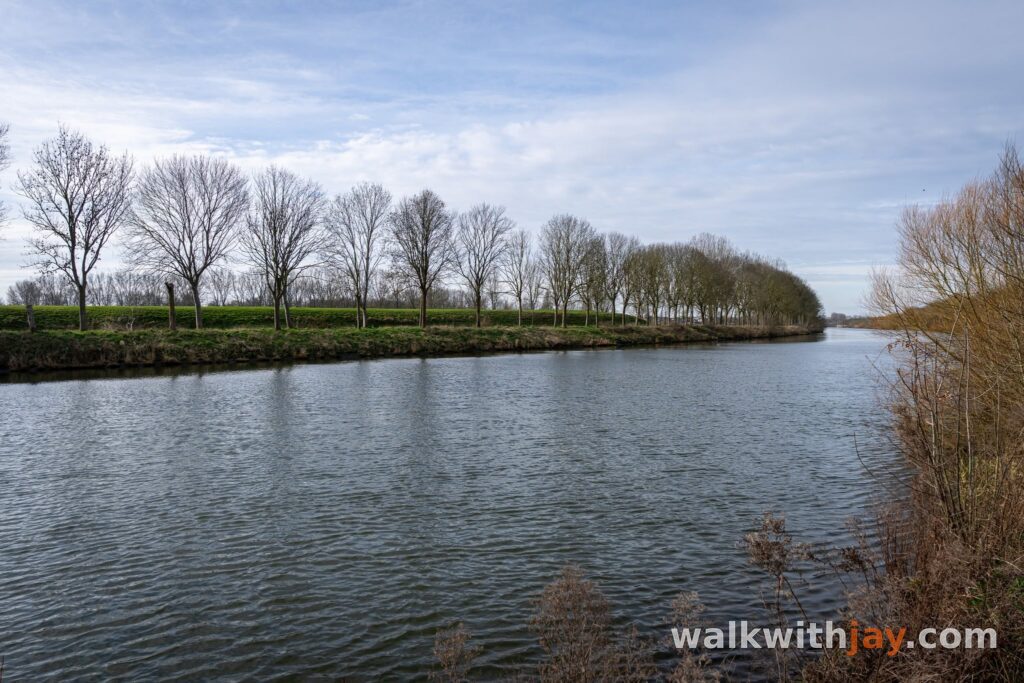
As you leave the residential streets behind, the surroundings gradually become greener. The Trakelweg leads towards an old branch of the Leie, created when the course of the river was straightened. Today, this quieter area is lined with vegetation and provides habitat for birds, fish and amphibians.
This was one of my favourite parts of the walk. After the streets and houses, the atmosphere changes quite quickly and the water brings a real sense of calm. It is also a good place to stop for a short break before continuing towards the Leiebos.
Through the Leiebos and along the Leie
The Leiebos lies right beside the E403, so traffic noise remains noticeable in the background. Even so, this is still an enjoyable green section, with woodland paths, dense vegetation and old river branches that hint at how the landscape around the Leie has changed over time.
Part of the woodland is set aside as a natural play area, adding a little variety to the route. After leaving the Leiebos, the walk joins the towpath beside the Leie, where the landscape opens out again and the character of the route changes once more.
The towpath is shared with cyclists, so it is worth staying alert when it is busy.
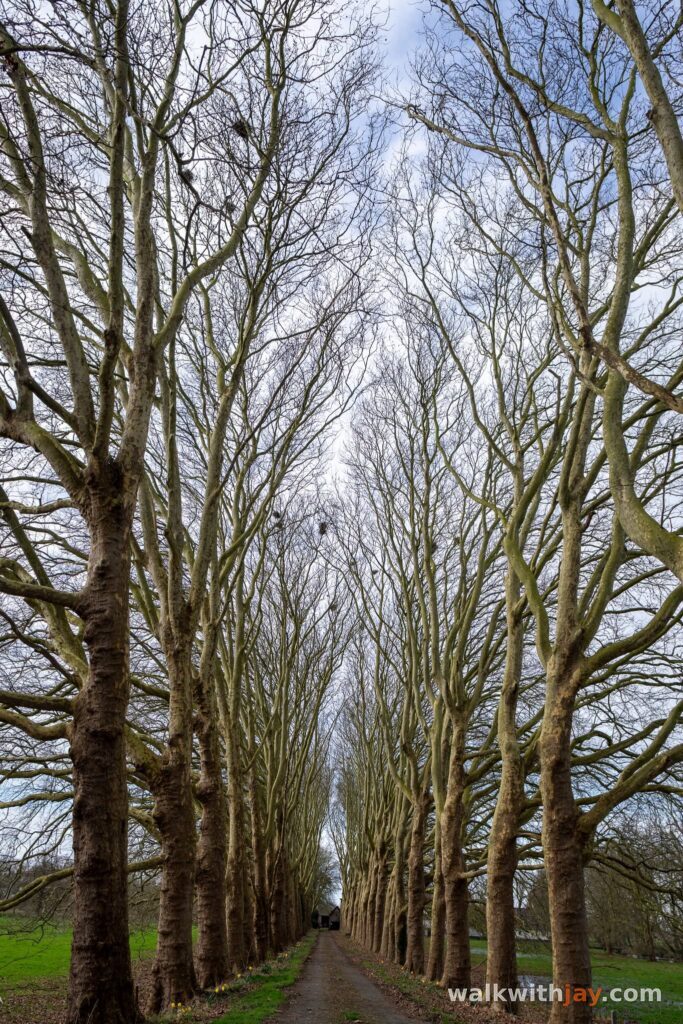
A little farther on, the route passes through another small wooded section. When I walked here, part of the path was under water. After heavy rain, this stretch can therefore become quite wet and muddy in places.
Kloosterhof and the former Guldenberg Abbey
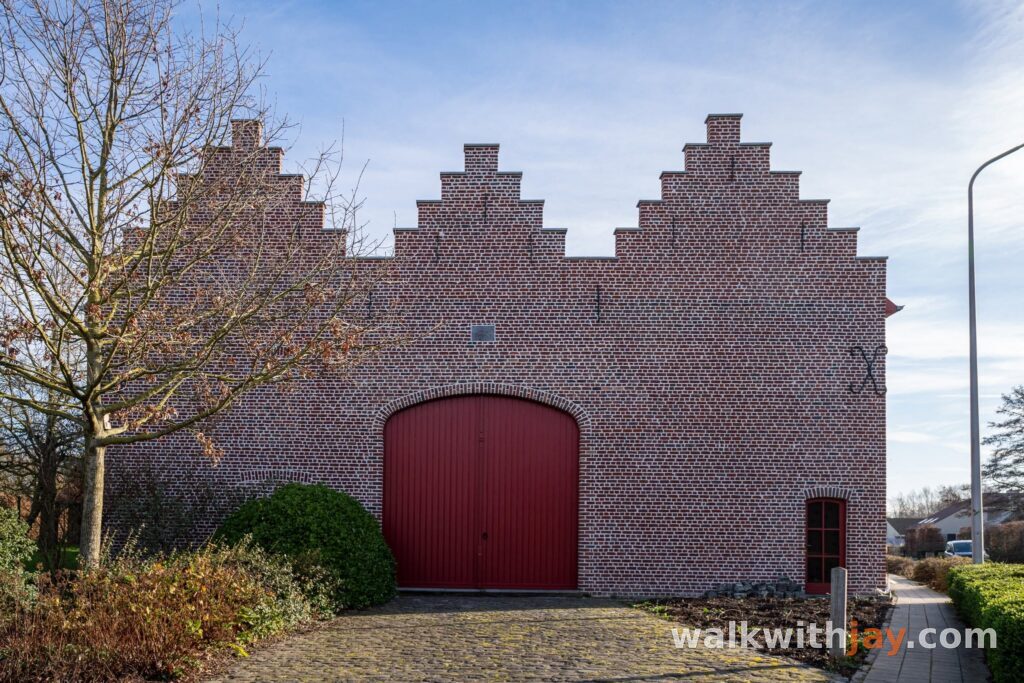
During the final part of the walk, the route passes Kloosterhof, the former abbey farm of Guldenberg Abbey. Founded in 1214, the abbey later moved to Wevelgem and played an important role in the religious and economic life of the area for several centuries.
Very little remains of the original monastic complex, but Kloosterhof is still one of the clearest reminders of its history. The monumental entrance gate and the old dovecote are among the most striking surviving features.
From here, the walk gradually returns through residential streets to Vanackere Castle. The loop ends back in the centre of Wevelgem after a route that combines local heritage, woodland and the landscapes of the Leie surprisingly well.
Photos from this walk



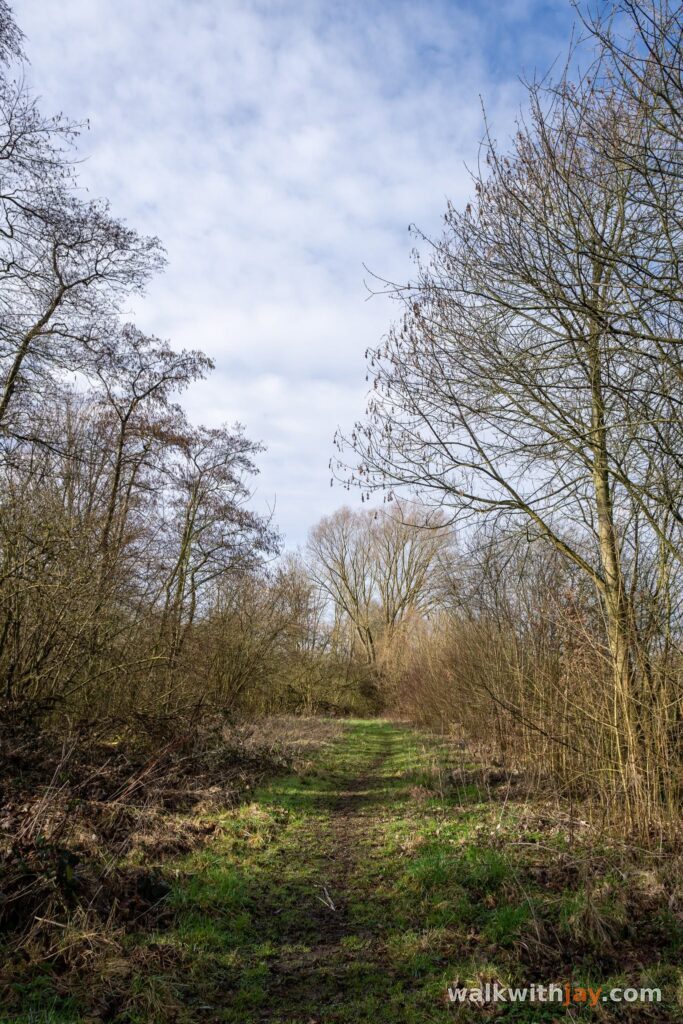
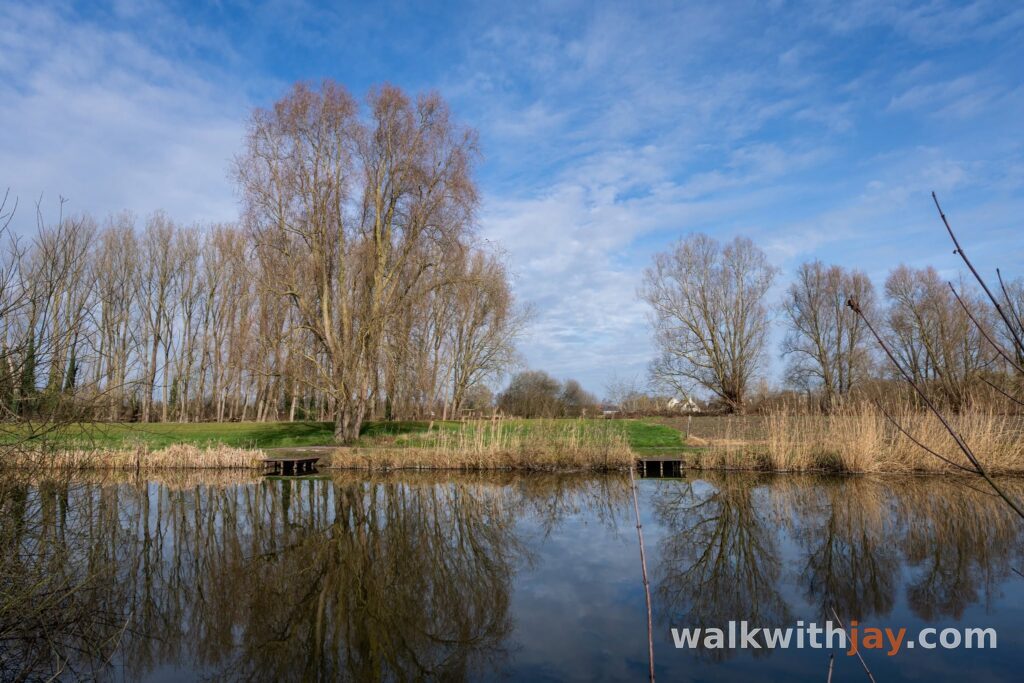
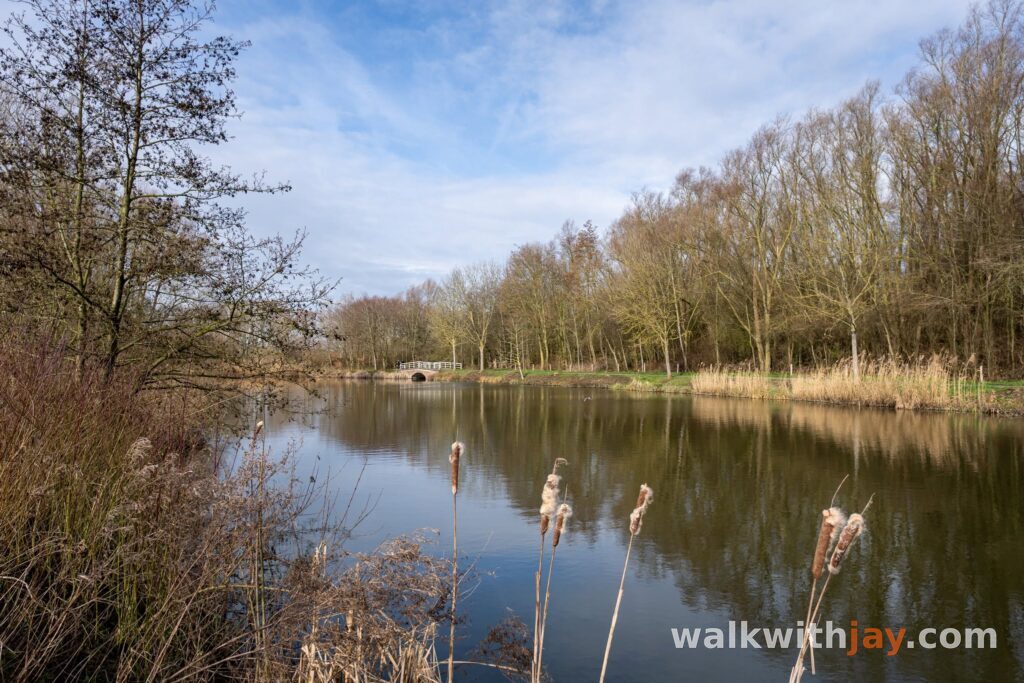
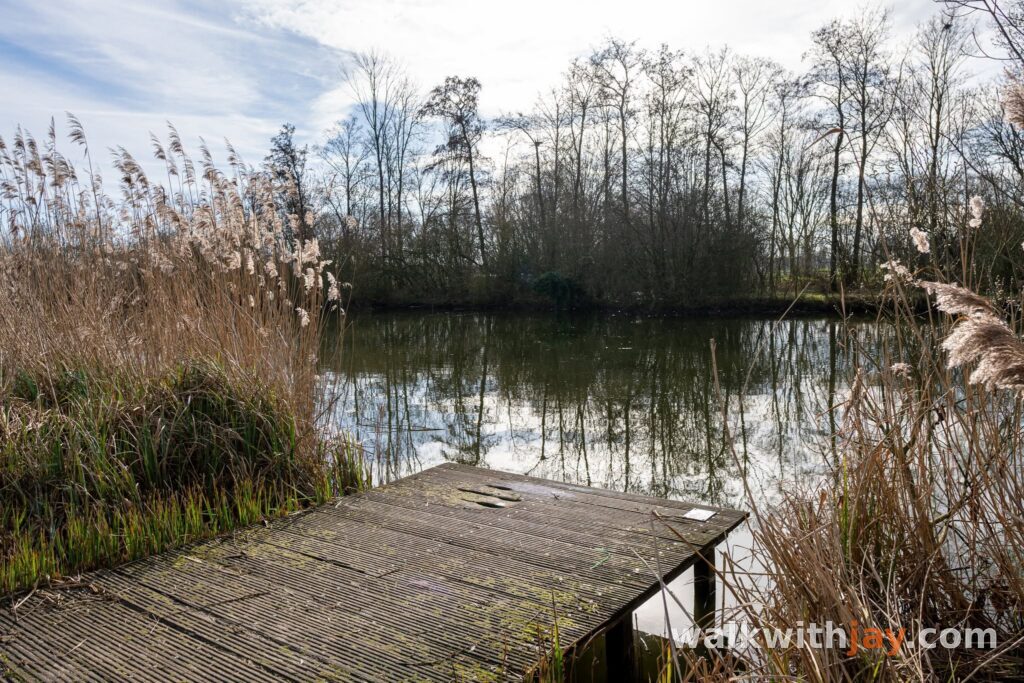

Jay’s tips
If you want to stop for a break, I would choose the old branch of the Leie. For me, this is the quietest and most enjoyable part of the walk.
Good to know
Muddy after rain
Picnic area or benches
Bus stop near the start
The towpath beside the Leie is shared with cyclists. After heavy rain, some of the woodland sections can also become wet or muddy.
My experience
For me, the Nonnenbospad is first and foremost a good local walk. There is enough variety across the 8.7 kilometres to keep it enjoyable, although some sections are more interesting than others. Parts of the residential stretch are fairly ordinary, and traffic from the E403 remains clearly audible in the Leiebos.
The old branch of the Leie was the section I enjoyed most. This is where the route feels quietest and where the natural surroundings come through most strongly. The local heritage also adds interest, although I would have liked to see a few more information boards explaining Vanackere Castle, La Roseraie and the history of Guldenberg Abbey.
If you live nearby, this is a pleasant loop for getting some fresh air while seeing a different side of Wevelgem. If I were travelling a long way specifically for a walk, I would probably choose a route with stronger natural scenery or more substantial heritage.
Waymarking
Not waymarked
Places of interest
Kasteel Vanackere
At start/finish
Historic castle built between 1894 and 1896, set in a municipal park with a pond, mature trees, garden pavilions and an ice cellar. It now houses the town hall.
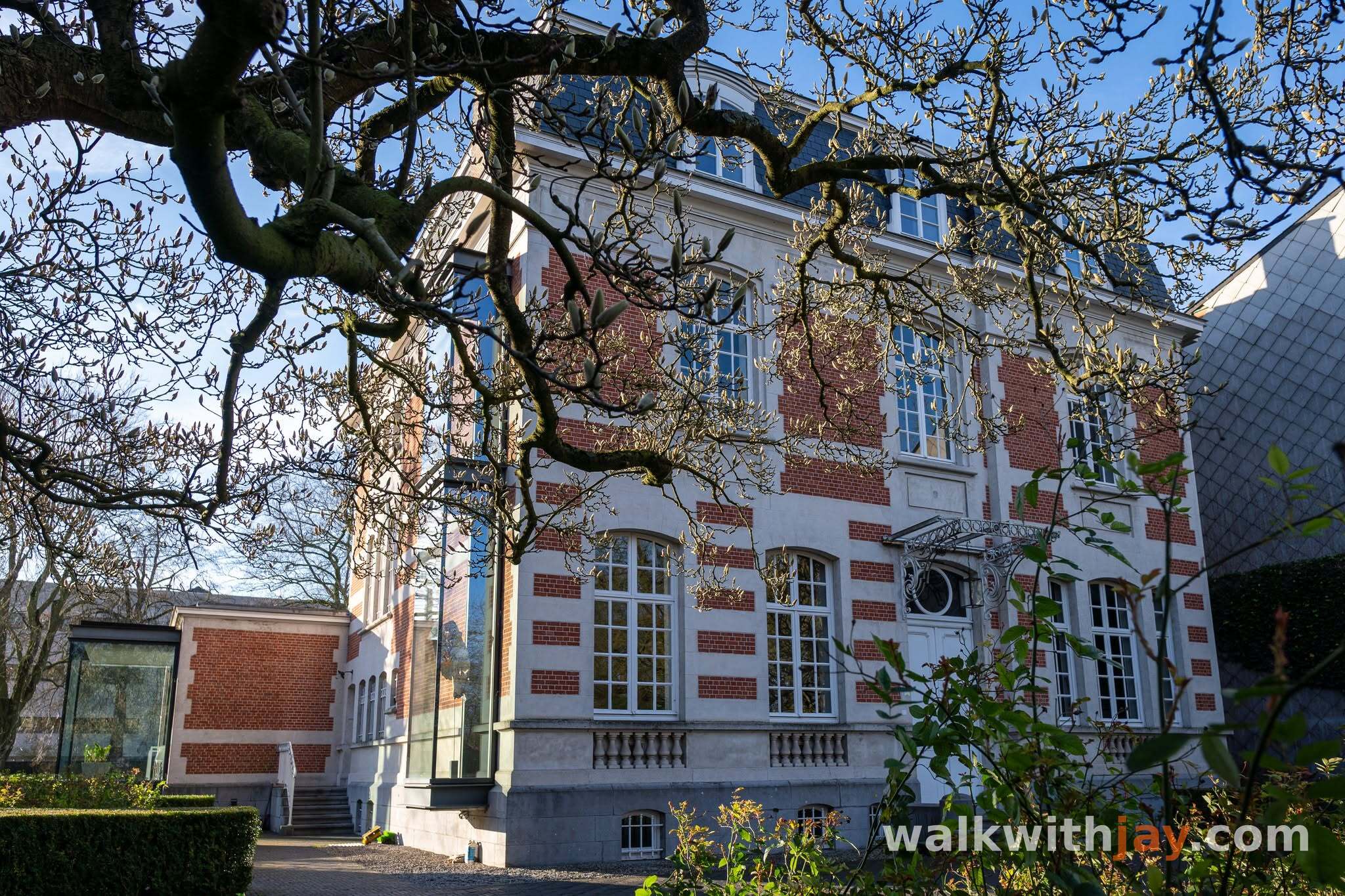
La Roseraie
Along the route
Protected early-20th-century mansion built for the Vanackere family. Its interior includes work by the Kortrijk-based Kunstwerkstede De Coene.
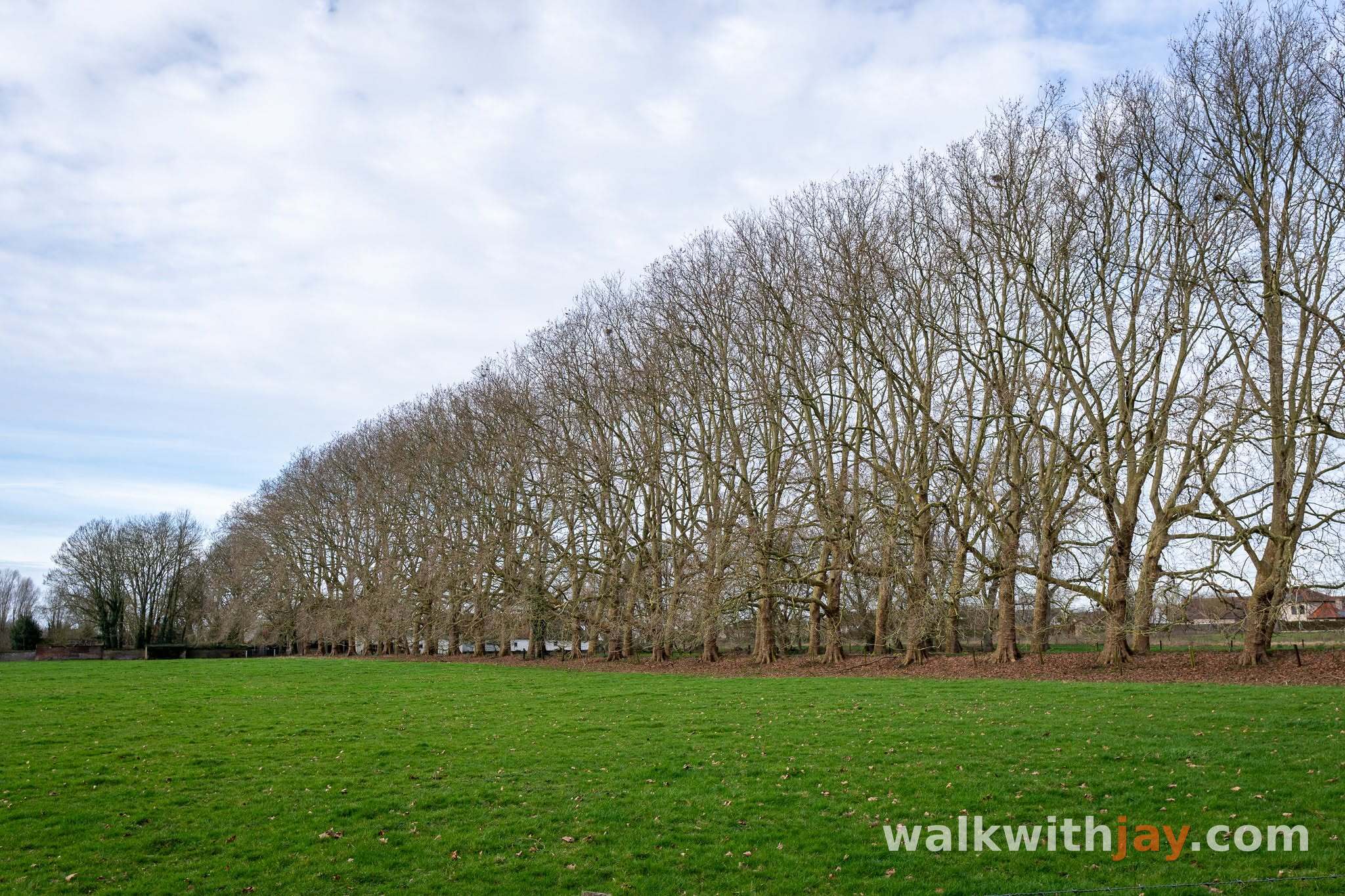
Kloosterhof Guldenbergabdij
Along the route
Former home farm of Guldenberg Abbey and historic centre of the lordship of Gorselis. The site preserves a monumental western gate and an old dovecote.
Ready to set off?
Open the starting point in your GPS and enjoy the walk.